E-Bike Battery Safety and Certifications: A B2B Importer’s 2027 Checklist
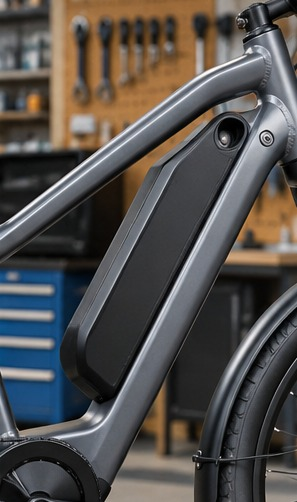
Electrical safety is not an optional paragraph in an electric bike sales brochure. Batteries, chargers, motors, wiring and control systems must work together under expected and foreseeable conditions. For importers, the commercial question is not whether a supplier can display a certificate image, but whether the actual production configuration has been evaluated and can be traced to credible documentation.
Understand the standard boundaries
UL 2849 addresses an e-bike electrical system, including the drive, battery, BMS and charger combination. UL 2271 concerns batteries used in light electric vehicles. These cover different scopes and do not by themselves replace all applicable mechanical, labeling or country-specific requirements.
Verify the certificate, not just the logo
Request the certificate number, issuing organization, covered model numbers, factory information, validity or surveillance status and the precise component combinations tested. Verify the listing through the certification body when possible. Changing a cell, charger, controller or battery pack can affect certification coverage.
Inspect the production process
Useful evidence includes incoming-cell controls, battery traceability, end-of-line electrical tests, torque records, cable protection, water-ingress evaluation, functional brake checks and a documented corrective-action system. The factory should maintain records tied to manufacturing batches and serial numbers.
Prepare for shipping and service
Ask for relevant lithium-battery transport test documentation, correctly identified batteries and shipping paperwork appropriate to the mode of transport. Establish warranty isolation procedures, safe returns handling and a clear instruction never to charge damaged or swollen batteries. Check applicable regulations for each destination.
Share this article
Views count once per browser per day. Likes and views are counted from the launch of this feature.
Loading comments…