How to Charge and Store an E-Bike Battery Safely
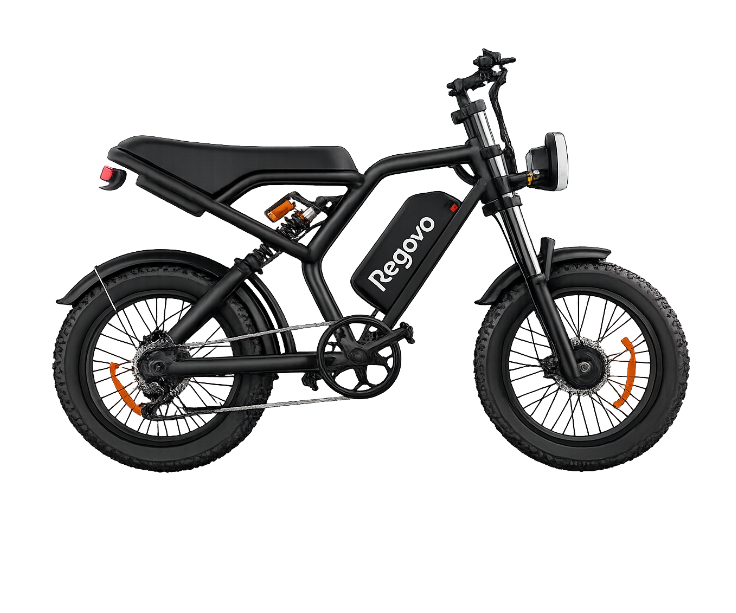
An electric-bike battery is a high-energy lithium-ion system and should be treated with care. Most modern products are designed with battery-management systems and protective electronics, but safe ownership still depends on using compatible equipment, following the manufacturer’s instructions and responding quickly to warning signs.
Buyers should look for a complete e-bike system that has been evaluated to relevant electrical and battery safety standards. In the United States, UL 2849 is a key system-level standard for electrical systems on e-bikes, while UL 2271 addresses batteries for light electric vehicle applications. The exact certification claim should be verified for the specific model and battery; a generic logo or supplier statement is not enough.
Always use the original charger or an explicitly approved replacement. Voltage, connector polarity, charging profile and communication features must be compatible. A charger that physically fits is not necessarily safe. Avoid damaged cables, loose connectors, improvised adapters and unverified aftermarket batteries.
Charge in a dry, well-ventilated area on a stable surface, away from combustible materials and exit routes. Follow the product manual for temperature limits and charging procedure. Do not charge a battery that has been dropped, crushed, flooded, visibly damaged or behaving abnormally. Do not leave charging equipment covered or place it where heat cannot dissipate.
Warning signs can include swelling, unusual heat, hissing, leaking, a strong chemical odor, smoke or repeated charging faults. Stop using the battery if any of these occur. If smoke or fire develops, move away, warn others and contact emergency services; do not attempt to handle a failing battery.
For long-term storage, follow the manufacturer’s recommended temperature and state-of-charge guidance. Keep the battery away from direct sunlight, extreme heat, water and metal objects that could short the terminals. Periodically inspect the casing and connector. Dispose of damaged or end-of-life batteries through an approved battery recycling or hazardous-waste channel, never household trash.
Manufacturers and dealers should provide clear manuals, approved charger identification, certification evidence and a customer support route. Battery safety is a product-system responsibility, not just a label on the cell pack.
https://regovobikes.com/Regovo-K6-Electric-Dirt-Bike-p6617570.html
Share this article
Views count once per browser per day. Likes and views are counted from the launch of this feature.
Loading comments…