Electric Bike Trends for 2026: Smarter, Safer, More Useful
2026-10-20
From Spec-Sheet Competition to Usability
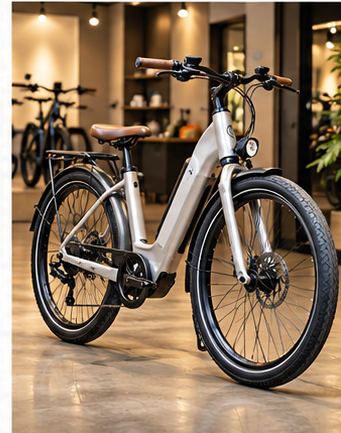
← Back to newsElectric-bike customers increasingly face a choice between dramatic performance claims and products engineered for dependable everyday use. Useful design improvements include clearer displays, thoughtful cable routing, integrated lighting, removable batteries and practical accessories. The most durable differentiators may be fit, comfort, quality control and long-term service rather than a single maximum-power number.
Safety and Documentation Matter More
Retailers and importers have strong reasons to ask questions about battery testing, charger compatibility, electrical-system traceability and documentation for the intended sales market. Standards and legal requirements differ by jurisdiction and product category. No certification logo should be treated as a substitute for authentic, model-specific records.
Different Regions, Different Bicycles
Dense cities may favor compact commuters and cargo bicycles, while recreational markets may be drawn to fat-tire and trail-capable platforms. Range expectations, throttle rules, motor limits and import requirements vary, so manufacturers need market-specific configurations. A bike that sells well in one country may need significant adaptation to be compliant or commercially attractive in another.
What Buyers Should Watch Next
Look for transparent range testing, repairable electrical systems, consistent spare-parts support, and realistic performance promises. Brands that simplify ownership—not just the first test ride—are well positioned to earn repeat customers and positive recommendations.