The Best Electric Bike Setup for Daily Commuting
2026-11-03
Overview
← Back to newsThe strongest reason to buy a commuter electric bike may be the ordinary ride it makes easier to repeat. Assistance can reduce the effort of setting off from intersections and climbing hills, making a bicycle a practical option for many trips that might otherwise require a car. Good commuter design focuses on reliability, predictability, and convenient day-to-day use.
What buyers should know
Begin by measuring the actual door-to-door journey, including stops, hills, bike lanes, and safe parking. A route with protected infrastructure may be more pleasant than a shorter route along high-speed traffic. Choose an e-bike that fits your height and allows comfortable visibility in traffic; a test ride should include several stops and starts.
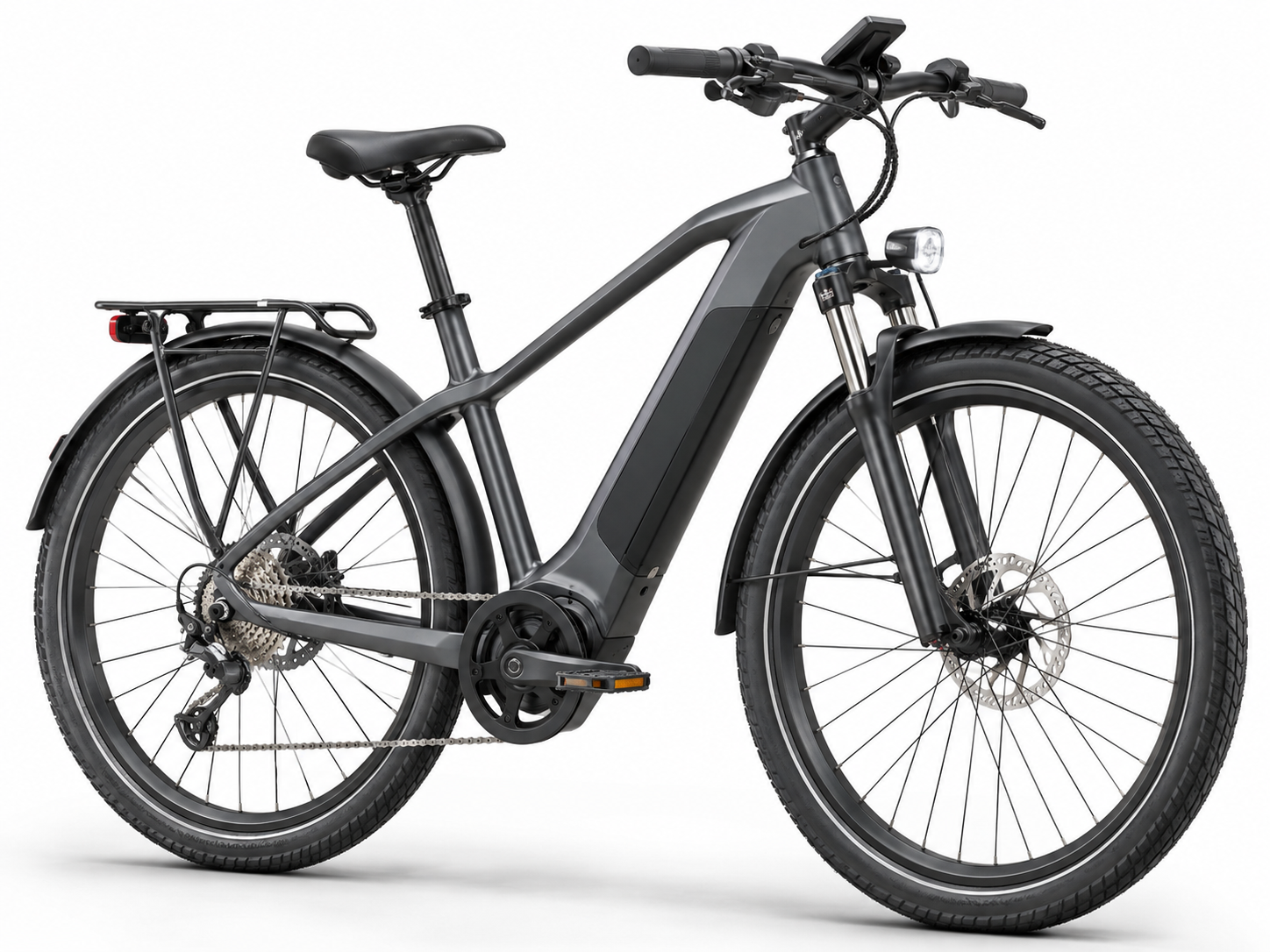
Useful commuter features include full fenders, reliable front and rear lights, a lock-compatible frame, puncture-resistant tires, and mounting points for bags. A rack or pannier often keeps the rider more comfortable than a heavy backpack. Consider the total weight if you must carry the bike up stairs or lift it onto a rack.
Practical advice
Battery capacity should cover the round trip with a sensible reserve rather than merely matching the single-leg distance. Charging convenience is critical: determine whether the battery can be removed, whether a secure outlet is available, and whether the charger and replacement parts are supported. Follow the manufacturer's charging and storage instructions, including temperature and compatible charger requirements.
Finally, confirm the e-bike's legal class for the streets and paths on the route. Plan routine maintenance for tires, brakes, chain, spokes, and electrical connections. A reliable commuter bicycle is not necessarily the most powerful or most expensive; it is the one that starts every morning, stops confidently, carries what you need, and remains easy to service.