E-Bike Battery Range Explained: Watt-Hours, Real-World Distance and Charging Habits
Market overview and customer demand
Battery range is one of the first questions asked by e-bike shoppers, but it is also one of the easiest specifications to misunderstand. A quoted maximum distance is not a promise that every rider will achieve the same result. Range depends on battery energy, motor efficiency, rider input, total load, terrain, speed, tyre pressure, temperature and assist mode.
Product design and specification priorities
Watt-hours (Wh) provide a useful way to compare battery energy. Voltage multiplied by amp-hours gives nominal watt-hours: for example, a 48 V, 15 Ah battery is approximately 720 Wh. This figure does not mean that the full nominal energy will always be available to the rider; battery management, operating limits and ageing affect usable capacity.
What buyers should inspect
Riding conditions can change consumption dramatically. Climbing, headwinds, low temperatures, frequent stops, heavy cargo and high assist levels increase energy use. Correct tyre pressure, a clean drivetrain, smooth acceleration and sensible gear selection can improve efficiency. A torque-sensing system may encourage a more natural riding style, but it does not eliminate the effect of terrain and rider effort.
B2B sourcing and wholesale considerations
Battery care begins with using the specified charger and avoiding physical damage, water ingress and extreme heat. Store the battery in a dry, moderate-temperature environment and follow the manufacturer's guidance for long-term storage. Do not open, modify or attempt to repair a lithium battery pack without qualified procedures.
Market compliance and after-sales support
Manufacturers should publish range-test conditions rather than a single unsupported maximum. Include rider weight, terrain, average speed, assist level, ambient temperature and tyre specification. Dealers should explain that actual range varies and help customers choose capacity based on their daily route, not an unrealistic headline number.
Key takeaway
Use watt-hours to compare energy capacity, but use realistic route testing and transparent test conditions to communicate range honestly.
B2B call to action
Are you sourcing electric bikes for your brand, distribution network or retail business? Contact our team to discuss OEM/ODM options, product specifications, sample evaluation, MOQ, production lead time, compliance documentation and FOB quotations. Share your target market, preferred category and annual volume to receive a tailored proposal.
Suggested image alt text
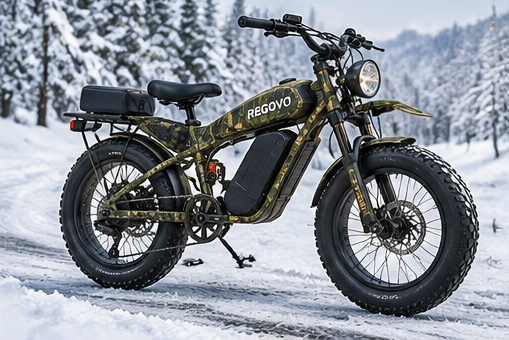
E-Bike Battery Range product and lifestyle photograph
Share this article
Views count once per browser per day. Likes and views are counted from the launch of this feature.
Loading comments…