Riding an Electric Bike on Sand: What You Need to Know
Overview
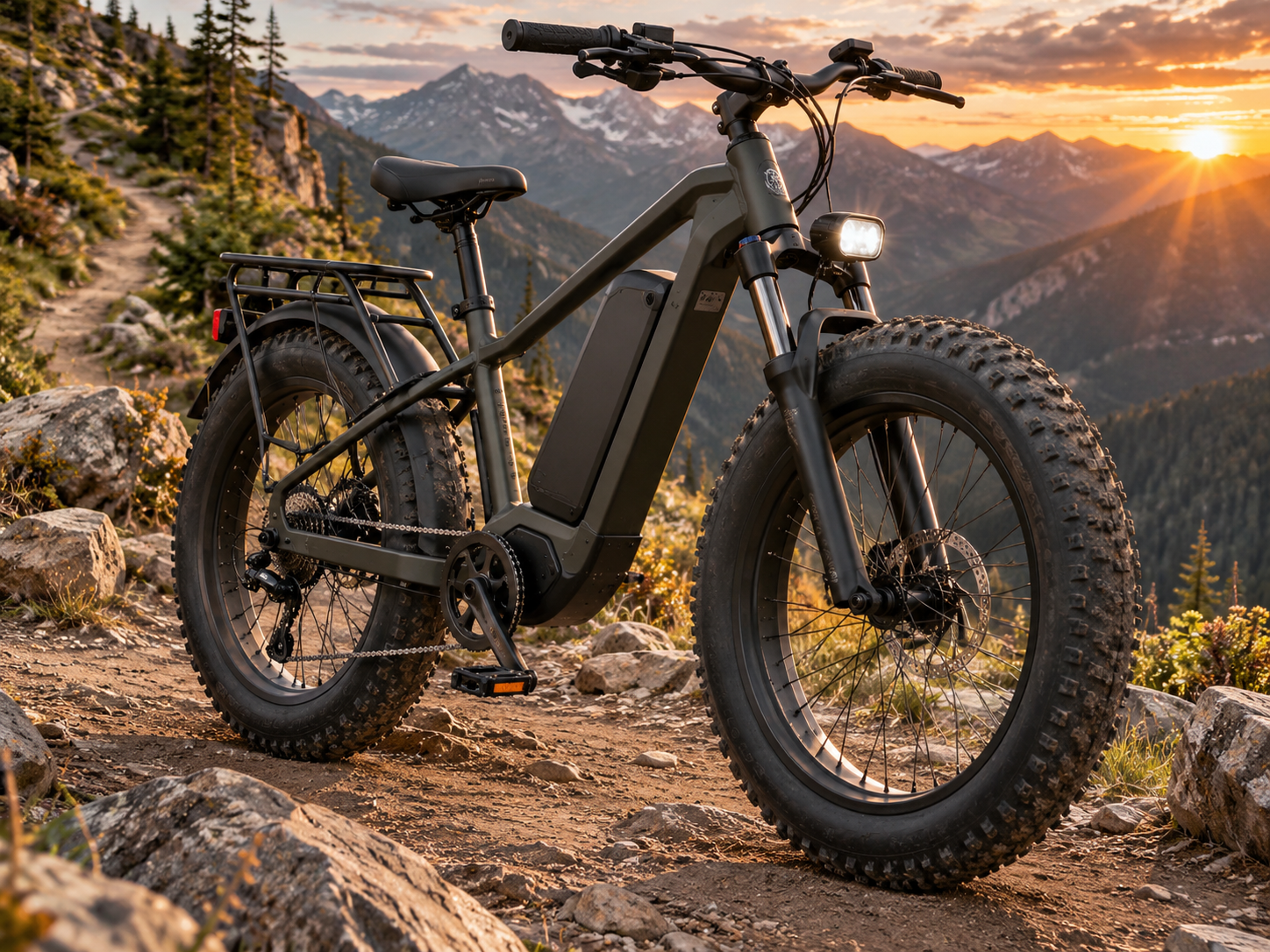
Beach and sandy paths look inviting, but loose sand demands more energy and careful handling than pavement. Wide tires can help a bike float over soft surfaces, although tire width alone cannot guarantee traction. A suitable route, moderate speed and good judgment are essential for a pleasant coastal ride.
What matters in practice
Choose firm, permitted surfaces whenever possible. Deep dry sand can cause rapid energy consumption and loss of steering control. Maintain a smooth pedaling rhythm, avoid sudden turns and reduce assistance if the driven wheel begins to spin. Do not enter surf or ride through saltwater. Many coastal areas restrict bicycle access to protect dunes, wildlife and pedestrians.
Key checks and considerations
Salt and grit accelerate wear on chains, bearings, brake components and electrical connections. After a coastal ride, clean the bike according to the manufacturer’s instructions using gentle methods; avoid pressure washing electrical parts. Dry the bike and inspect the drivetrain, brake surfaces and connectors before storage. Do not assume an ingress protection rating permits immersion.
Buying or riding advice
For a beach-oriented purchase, look for suitable tire clearance, stable handling, corrosion-resistant components and accessible maintenance points. Verify local rules and plan a route that avoids protected habitats. A carefully maintained bike will deliver more long-term value than a powerful machine that is repeatedly exposed to conditions beyond its design limits.
Share this article
Views count once per browser per day. Likes and views are counted from the launch of this feature.
Loading comments…