Riding an E-Bike in Rain: A Maintenance and Safety Guide
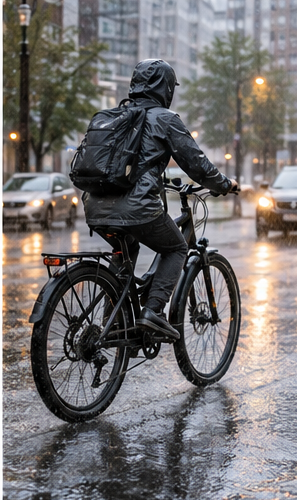
Rain changes the ride
An electric bicycle can support practical travel year-round, but wet pavement reduces traction and increases stopping distance. Painted markings, metal covers and leaves may be slippery. Reduce speed and brake progressively, especially while cornering.
Equipment to check
Use lights in poor visibility and wear clothing that remains visible in rain. Check tire tread and pressure, brake pads, fender clearance and connector seals. Water-resistance ratings differ by product, and no rating should be interpreted as permission to submerge the bicycle or pressure-wash its electronics.
After the ride
Wipe the bicycle down, allow appropriate drying time and keep the chain maintained. Check for abnormal sounds, corrosion and loose components. Store the charger and charging connections in a clean, dry environment. If the battery or electronics show unusual behavior after exposure, consult qualified service support.
Plan the route
Choose streets with safer infrastructure and good drainage when possible. Allow more braking distance around traffic and pedestrians. Sometimes postponing a journey during flooding, storms or extremely poor visibility is the safest decision. A reliable commuting habit includes knowing when not to ride.
Final takeaway
The right electric bicycle is the one that safely fits the rider’s actual journeys, has trustworthy specifications and can be supported over time. Compare real use cases, local rules and service quality before focusing on a headline claim.
Share this article
Views count once per browser per day. Likes and views are counted from the launch of this feature.
Loading comments…