How to Maintain an Electric Bike: A Simple Service Schedule
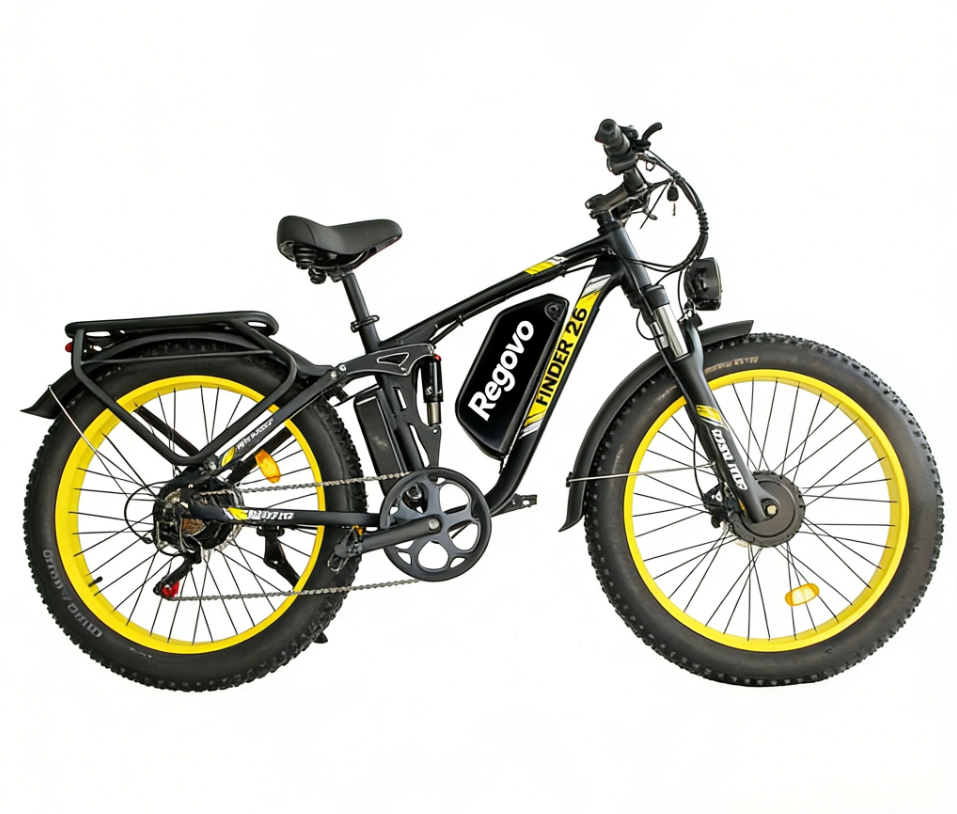
Regular maintenance helps an electric bike remain safe, quiet and reliable. E-bikes share many service needs with conventional bicycles, but their additional weight, higher average speed and electrical components make routine checks especially important. A simple schedule can prevent small issues from becoming expensive repairs.
Before every ride, check tyre pressure, tyre condition, brake response, wheel security and battery mounting. Make sure lights work and that no cable is trapped or visibly damaged. Listen for new noises from the motor, drivetrain, brakes or suspension. If the bike displays an error code, consult the manual rather than repeatedly resetting the system.
Every few weeks, depending on use, clean the frame and drivetrain using bicycle-safe products. Avoid directing high-pressure water at the motor, battery, display, bearings or electrical connectors. Lubricate the chain with an appropriate bicycle chain lubricant and wipe away excess. Check that the chain is not excessively stretched and that shifting remains accurate.
Brake pads and rotors deserve frequent attention because e-bikes can be heavier than conventional bicycles. Inspect pad thickness, rotor condition and lever feel. If braking becomes weak, noisy or inconsistent, have the system checked. Do not contaminate disc brake surfaces with oil or general-purpose lubricant.
Tyres should be inflated to a pressure appropriate for the tyre, rim, rider weight and terrain. Look for cuts, embedded objects, sidewall damage and uneven wear. Check wheel spokes and rim condition, especially after carrying heavy loads or riding rough surfaces. Suspension components should be serviced according to the fork and shock manufacturer’s schedule.
Electrical maintenance should be conservative. Keep battery contacts clean and dry, use the approved charger and never open a sealed battery pack unless qualified to do so. Firmware updates and diagnostic work should follow the manufacturer’s procedures. Store the bike and battery within the specified temperature range.
A professional service should include fastener checks, brake and drivetrain inspection, wheel truing where needed, electrical diagnostics and a review of any error history. Dealers can strengthen customer loyalty by supplying a written service checklist and explaining which tasks owners can safely perform themselves.
https://regovobikes.com/Regovo-V3-2000W-Dual-Motor-26inch-Fatbike-p6617586.html
Share this article
Views count once per browser per day. Likes and views are counted from the launch of this feature.
Loading comments…