Why Folding E-Bikes Work for Mixed-Mode Travel
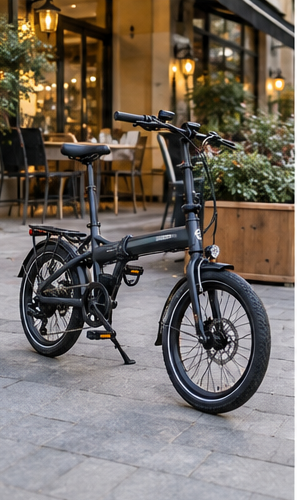
The commuter puzzle
For riders who combine trains, offices and small apartments, storage can be the deciding feature. Folding e-bikes can simplify last-mile travel, though a compact frame does not automatically mean a lightweight product. Before buying, measure the folded package and find out whether local trains allow that size at peak hours.
Important engineering trade-offs
Smaller wheels can offer agile handling in tight spaces but respond differently to potholes and uneven surfaces. Hinges need robust locking mechanisms and routine inspection. Battery location, cable routing and folded weight affect daily usability just as much as nominal power.
The essential test
Fold and unfold the bicycle several times, lift it as if climbing a flight of stairs and wheel it through a narrow doorway. Check folded stability and whether pedals or handlebars catch on clothing. Test braking and steering under realistic daily conditions.
Who should avoid one
Riders covering long rough routes or carrying heavy cargo may be happier on a full-size bicycle. Choose a folding design because it solves a real storage or transport problem, not simply because the specification list is impressive.
Final takeaway
The right electric bicycle is the one that safely fits the rider’s actual journeys, has trustworthy specifications and can be supported over time. Compare real use cases, local rules and service quality before focusing on a headline claim.
Share this article
Views count once per browser per day. Likes and views are counted from the launch of this feature.
Loading comments…