E-Bike Battery Safety: Charging and Storage Essentials
2026-10-20
Treat the Battery as an Engineered System
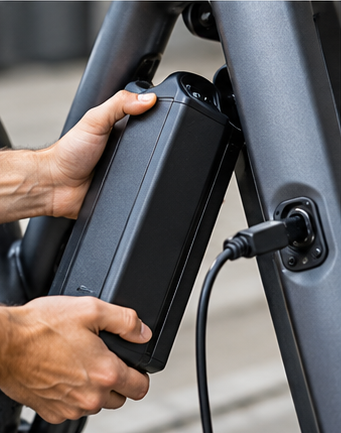
← Back to newsAn e-bike battery is not simply a collection of cells. It includes electrical protection, packaging, connectors and a battery-management system. Safety depends on the interaction between pack, charger, wiring and motor electronics. Buyers should ask for credible testing or certification documentation relevant to their market and verify which specific product configuration is covered.
Safe Charging Basics
Use the supplied or manufacturer-approved charger in an appropriate, dry location. Keep the bike and battery away from combustible materials, and avoid charging in an escape route. Do not charge unattended or while sleeping. Inspect connectors and cables; stop using the system if you notice swelling, damage, unusual heat, smoke or a chemical odor.
Storage and Transport
Store batteries according to the maker’s temperature and charge-state guidance. Avoid leaving them in very hot cars, freezing conditions outside approved limits or areas exposed to water. After a crash, serious impact or immersion, have the battery assessed by a qualified professional rather than plugging it in to see whether it works.
Responsible End of Life
Never dispose of lithium-ion batteries in household trash. Use an appropriate battery recycling program. For fleets, retailers and importers, document staff training, storage procedures, recall responses and replacement-parts traceability. Battery safety is a design, purchasing and operational responsibility.