Electric Bikes for Camping: Choosing a Reliable Adventure Setup
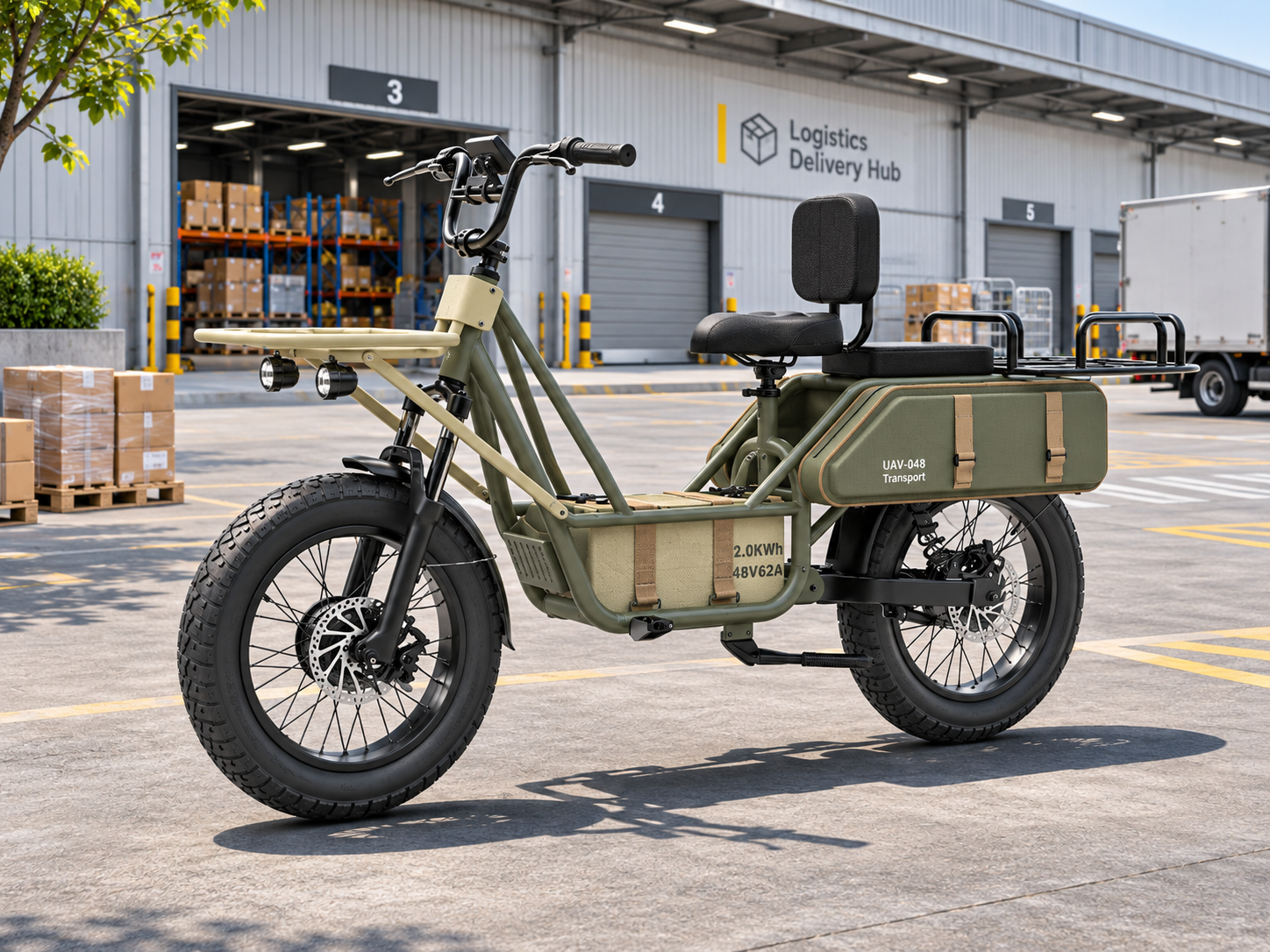
Plan for the entire trip
Electric bikes can make campgrounds and approved recreation routes easier to explore, but adventure use demands careful planning. Distances between charging points, route surfaces, temperature, available shelter and luggage weight all influence the right bike. Avoid treating the published maximum range as a guaranteed round trip.
Load distribution and carrying systems
Panniers, racks and frame bags should respect their rated loads and avoid contact with wheels or suspension. Heavy gear mounted high or behind the rear axle can reduce stability. A test ride at realistic load is important before a multi-day journey. Check clearance for mud, tire expansion and steering rotation.
Battery energy planning
Energy capacity is measured in watt-hours. As an illustrative calculation, a 720 Wh battery at an average electrical consumption of 18 Wh per kilometer yields about 40 km before accounting for reserve and usable-capacity limits. Real consumption can be much higher on steep or loose terrain. Carry a suitable charger and follow site charging rules; never improvise wiring or use an incompatible charger.
Weather readiness and repairs
Bring tire repair items, a multitool, chain supplies and appropriate lighting. Consult the bike’s ingress-protection claims but do not assume flood or water-crossing suitability. Store the battery away from open flames, moisture and excessive heat, and inspect connectors before charging.
How to merchandise camping e-bikes
Bundle compatible racks and approved bags, provide honest range planning guidance and explain local path restrictions. A practical, well-documented camping setup inspires more confidence than an over-equipped promotional photograph.
Frequently asked questions
What should an importer verify before ordering? Confirm the target market classification, product configuration, electrical safety documentation, production sample, warranty terms and shipping paperwork.
How should buyers compare battery range? Compare rated watt-hours and measured test conditions. Real-world distance varies by rider, terrain, weather, tire pressure and assist setting.
Share this article
Views count once per browser per day. Likes and views are counted from the launch of this feature.
Loading comments…