Beach Electric Bikes: Tires, Corrosion Protection and Responsible Riding
2026-11-04
Introduction
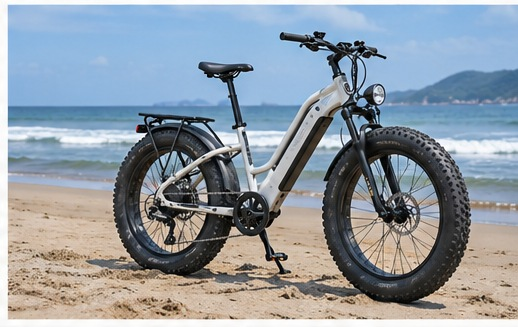
← Back to newsThe image of a fat-tire electric bicycle beside the ocean is a powerful marketing story, but successful coastal riding depends on rules, sand conditions and equipment care. Wider tires may offer flotation on suitably firm terrain, yet deep loose sand still places major demands on motors and batteries. Salt, humidity and fine grit also accelerate wear in ways that standard showroom tests may not reveal.
What to Look For
Before riding on a beach, check local permissions, protected habitat restrictions and whether powered bicycles are allowed on the particular stretch. Travel only on designated routes and avoid sensitive dunes or wildlife areas. On permitted surfaces, reduced tire pressure can improve footprint, but the safe minimum depends on tire construction, rim and load. Never reduce inflation blindly or assume an aggressive tread works equally well everywhere.
Practical Buying and Usage Advice
After coastal exposure, follow the manufacturer’s cleaning procedure: remove surface salt and grit carefully, avoid directing high-pressure water at bearings, connectors or battery seals, and dry components before storage. Check the chain, spokes, brake rotors and electrical connection points frequently. Treat an advertised IP rating as component-specific evidence, not proof that the entire bike is safe to submerge.
For Importers, Retailers and Distributors
For overseas dealers in coastal markets, stainless hardware, sealed connectors, good paint protection and readily available replacement drivetrains can become meaningful selling points. Product photography should show realistic beach-adjacent environments without claiming the bicycle is suitable for riding in seawater. Explain how use in corrosive conditions affects warranty obligations.