Electric Cargo Bikes: The Growing Case for Family and Local Delivery Use
2026-10-16
Transporting More Than a Rider
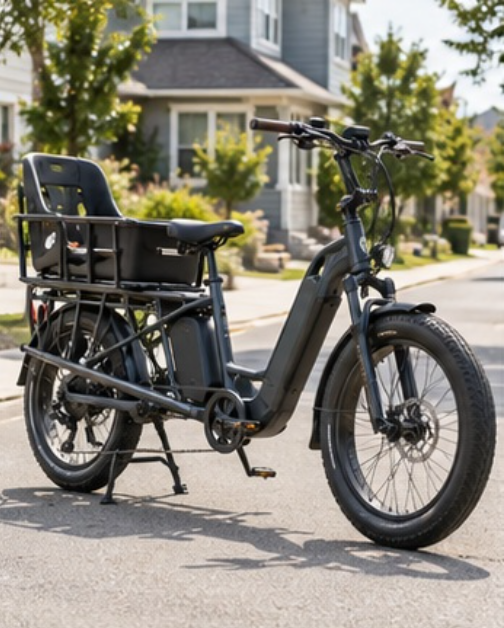
← Back to newsCargo e-bikes extend electric mobility beyond solo commuting. With the right design they can help carry groceries, work supplies, or children, providing an option for trips that do not always require a car. The appeal depends on safety, route quality, weather, and realistic load capacity.
Different Cargo Formats
Longtail bicycles extend the rear carrying area and often feel familiar to conventional bike riders. Front-load designs place cargo ahead of the rider and may offer generous volume, but turning and storage needs are different. Compact utility bikes offer a compromise for crowded urban environments.
Safety Comes Before Capacity Claims
The maximum permitted load must be verified for the actual bicycle, racks, child seats, and accessories. Carrying a child requires purpose-designed seating and restraint systems where applicable. Low-speed handling changes substantially with a full load; test the bicycle in a safe area before a busy road.
Why Service Matters for Commercial Buyers
Delivery fleets need predictable maintenance intervals, standardized consumables, weather-resistant components, and readily available replacement parts. Retailers can distinguish themselves by explaining real-world carrying configurations and offering training rather than marketing cargo capacity as a single impressive number.
Key Takeaways
Choose equipment around real riding conditions, understand local regulations, and evaluate ownership support as carefully as headline specifications. Buyers should request verified specifications and service documentation before purchasing.