Removable vs Integrated E-Bike Batteries: A B2B Sourcing Comparison
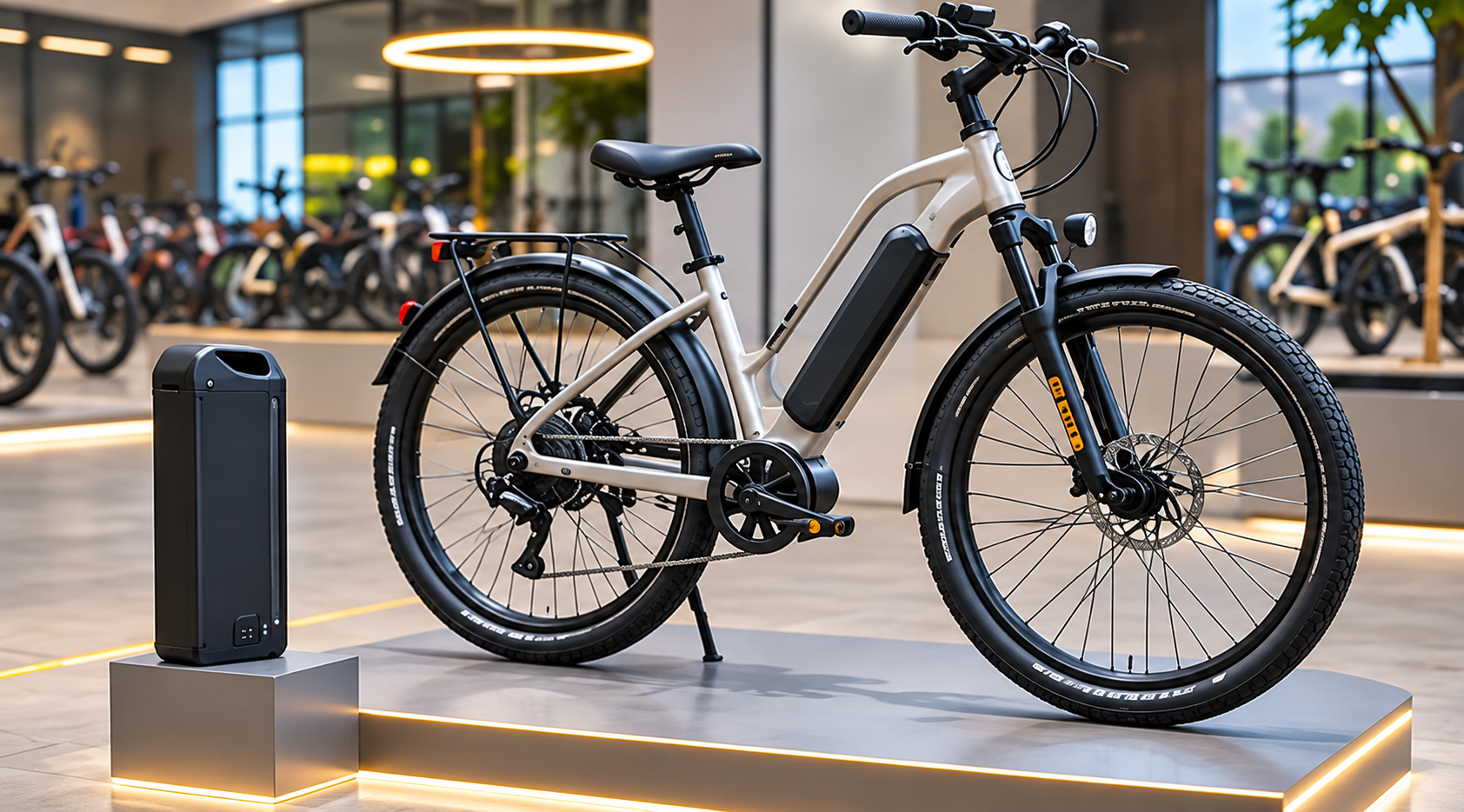
The removable-versus-integrated battery decision affects more than appearance. It changes charging convenience, frame packaging, sealing, theft resistance, repair time and the way distributors manage replacement stock.
Identify how customers actually charge
Apartment riders may prefer taking a battery indoors, while a fleet may use secured dockside charging. Assess battery extraction force, latch ergonomics and the consequences of accidental removal. The product manual should describe safe charging and approved replacement parts.
Ask about battery construction and safeguards
Request documented cell identity, BMS functions, pack traceability, enclosure design and compatible charging system. Relevant electrical safety evaluation considers the full drive-battery-charger configuration, not isolated claims about one component. Verify transport documentation for the actual pack.
Evaluate life-cycle repairability
Confirm expected part availability, diagnostic methods, fastener access and whether the battery can be replaced without damaging the frame. A highly integrated enclosure may improve styling but increase the repair burden. A removable pack must resist water ingress and contact wear.
Compare commercial costs
Include spare battery purchase price, packaging, shipping restrictions, warranty handling and safe end-of-life arrangements. Use energy in Wh to compare options; capacity in Ah alone omits voltage. A 48 V 15 Ah battery has approximately 720 Wh nominal energy, but usable energy and range are not fixed.
Buyer FAQ
Can buyers install any similarly shaped replacement battery? No. Electrical specifications, connectors, mounting, communications and charger compatibility must be verified.
Share this article
Views count once per browser per day. Likes and views are counted from the launch of this feature.
Loading comments…