Electric Cargo Bikes for Families and Deliveries: A Buyer’s Guide
2026-10-21
Define the load
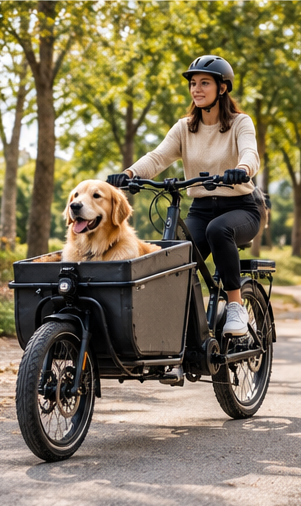
← Back to newsCargo e-bikes can replace some short car trips, especially for groceries and urban deliveries. Front-box and long-tail designs carry weight differently, so compare the manufacturer’s total permitted system weight, front and rear rack limits, and specific child-passenger instructions. Never infer capacity from the size of the basket alone.
Safety for passengers
Passenger carrying requires compatible restraints, seating and protection suited to the rider’s age and applicable local rules. The rider should practice balancing and braking with a safe load in a quiet area first. Wide turns, curb approaches and stopping distances change as cargo weight increases.
Commercial fleet considerations
Businesses should measure stop frequency, typical load, secure parking, charging access and downtime. Standardized tires, brake parts and batteries simplify maintenance across a delivery fleet. Real-world route testing is more reliable than buying a vehicle on a maximum range claim.
Communicate the business case
Present running costs, service intervals and suitable operating environments without promising universal savings. A cargo e-bike works particularly well where traffic congestion and short delivery distances make a car inefficient. Strong support and local service availability are central to a credible B2B offer.
Key takeaway
Choose a configuration that fits real riding needs, verify battery and safety documentation, and confirm the applicable local rules before buying or importing. Transparent product details and dependable after-sales support matter more than exaggerated numbers.
Suggested meta description: Explore electric cargo bike family delivery, including essential features, safety considerations, buying tips and practical advice for choosing the right electric bicycle.