Electric Bike Fit: Reach, Saddle Height and Everyday Comfort
2026-11-05
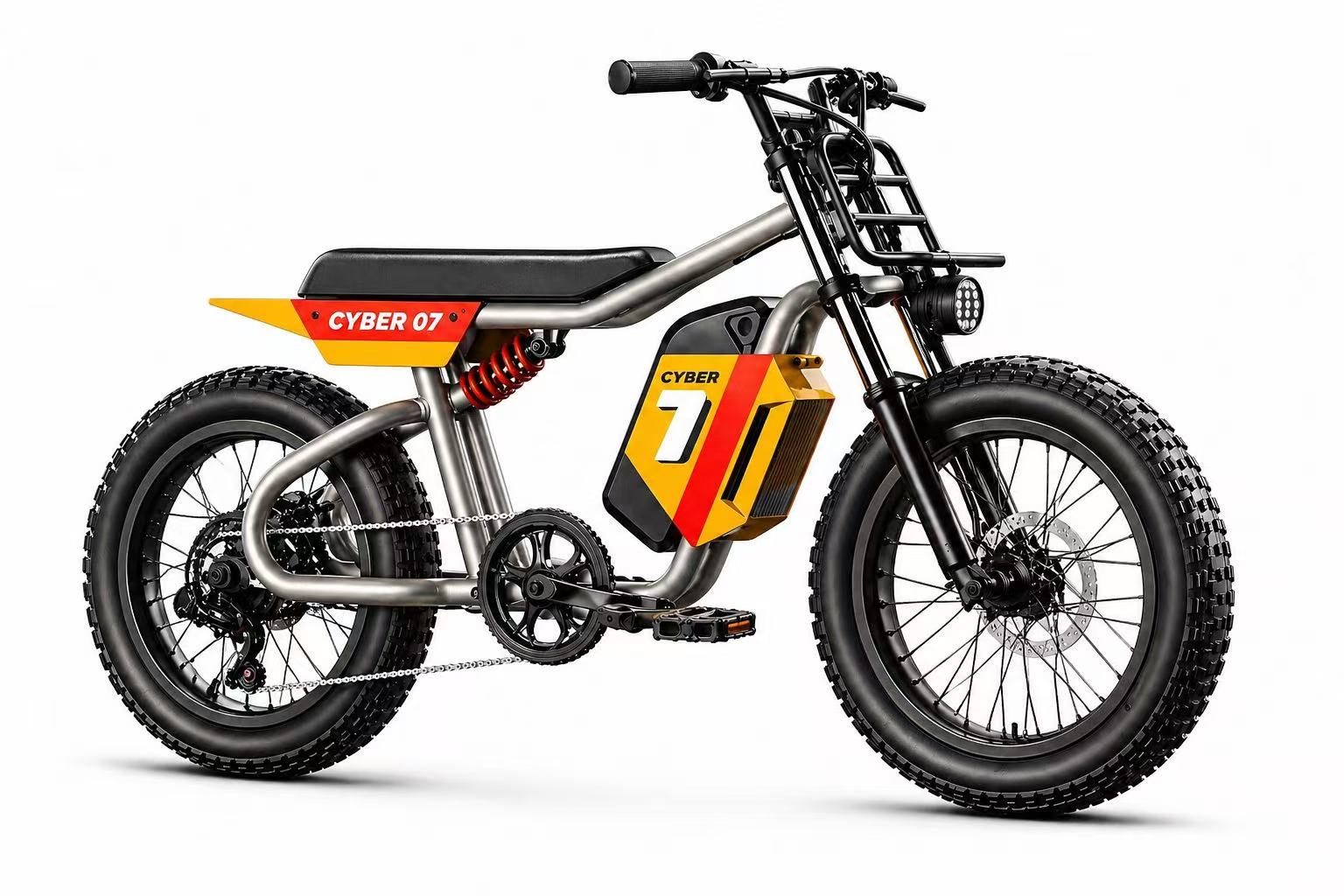
Electric assistance can make pedaling easier, but it cannot make an unsuitable frame comfortable. A bike that is too long may overload your hands, while an awkward mounting height can make frequent stops stressful. Fit should be assessed with your normal shoes and clothing, and with enough time to notice pressure points.
← Back to newsStart with mounting and stopping. You should be able to get on and off without catching clothing or losing balance. Step-through frames can make access easier, but their geometry still needs to suit your body. Wheel size alone does not establish fit; compare the complete bicycle.
Set saddle height with help from a competent dealer. The aim is comfortable pedaling without excessive hip movement or an uncomfortable stretch at the bottom of the stroke. Keep adjustments within the seatpost markings and manufacturer instructions. Do not raise components past their minimum insertion limits.
Next, evaluate reach. Your shoulders should feel relaxed and your elbows should retain some bend. You must be able to steer and operate the brakes without sliding forward or twisting your wrists. Handlebar and stem changes can affect handling, cable routing and component compatibility, so ask a mechanic before making substantial changes.
Ride long enough to distinguish a pleasant showroom position from sustainable comfort. Try gentle turns and repeated stops. Persistent discomfort or a feeling that you are constantly bracing against the bars deserves attention. Do not assume a wider saddle or softer suspension will correct every problem.
Write down the final saddle position and any approved adjustments. Recheck comfort after several ordinary trips, making small changes one at a time. For wholesale buyers, provide clear geometry information and useful sizing guidance instead of relying on a single universal height range. Good fit reduces uncertainty and helps customers use their bicycles more confidently.