Electric Bike Camping Trips: Range Planning and Adventure Essentials
2026-10-21
Design the route around reality
← Back to newsAn electric bike can turn local camping trips into enjoyable low-impact travel, especially on mixed paved and unpaved roads. Start with terrain, forecast, campsite rules and legal access. Long climbs, rough trails and loaded panniers consume more energy than an easy test ride in town.
Calculate energy conservatively
Battery watt-hours provide a more useful planning baseline than promotional mileage alone. Divide nominal watt-hours by a realistic estimated consumption per mile or kilometer, then preserve extra capacity for wind, detours and cold conditions. Never plan to reach the campsite with an empty pack.
Pack for balance
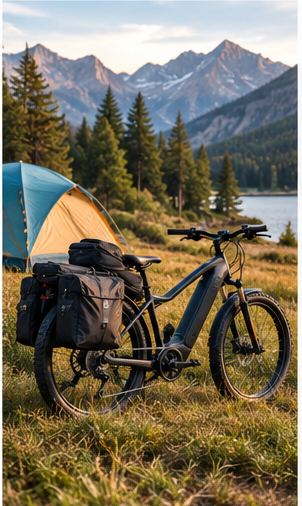
Place dense gear low and near the center of the bike, respecting rack and payload ratings. Waterproof panniers, a repair kit, lights, a pump and a suitable lock are core equipment. Test the loaded bike before departure, particularly on descents and slow technical corners.
Charging away from home
Confirm access to approved mains charging and protect electronics from moisture. Do not assume public facilities allow charging. Bringing unauthorized battery packs or making improvised connections increases risk. A good adventure starts with enough contingency to return under pedal power or arrange transport.
Key takeaway
Choose a configuration that fits real riding needs, verify battery and safety documentation, and confirm the applicable local rules before buying or importing. Transparent product details and dependable after-sales support matter more than exaggerated numbers.
Suggested meta description: Explore ebike camping touring, including essential features, safety considerations, buying tips and practical advice for choosing the right electric bicycle.