Electric Bike Battery Maintenance: Safer Charging and Longer Service Life
2026-10-21
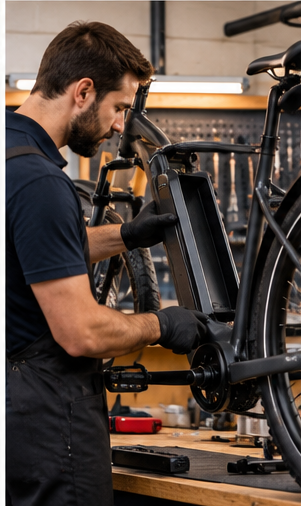
Start with a matched system
← Back to newsAn e-bike battery, battery management system and charger are designed to operate together. Use only chargers approved for the particular model. Do not bypass safety circuits, modify wiring or attempt to rebuild damaged lithium packs without a qualified professional and appropriate safeguards.
Safer charging habits
Inspect the casing, connectors and cable before each charge. Charge in a dry, ventilated area away from flammable clutter, following the supplier’s specific temperature and supervision instructions. Never charge a battery that is swollen, punctured, overheating, leaking or showing other signs of damage.
Storage and aging
Battery capacity naturally declines over time. High heat, improper storage and frequent deep discharge may accelerate deterioration. For long storage periods, follow the battery maker’s preferred charge level and inspection interval; there is no single percentage suitable for every chemistry and management system.
What buyers should verify
Look for recognizable safety certification applicable to the destination market, a documented compatible charger, service support and a process for end-of-life recycling. Ask how replacement packs can be obtained several years later. Battery trust is a major part of the ownership experience, not just a line item on a specification sheet.
Key takeaway
Choose a configuration that fits real riding needs, verify battery and safety documentation, and confirm the applicable local rules before buying or importing. Transparent product details and dependable after-sales support matter more than exaggerated numbers.
Suggested meta description: Explore ebike lithium battery care, including essential features, safety considerations, buying tips and practical advice for choosing the right electric bicycle.