E-Bike Battery Care: Charging, Storage and Long-Term Value
2026-10-16
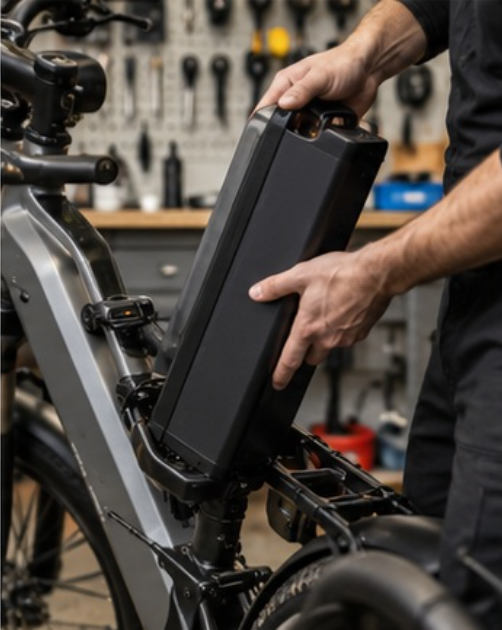
The Battery Is a Major Ownership Component
← Back to newsA lithium-ion battery is one of the highest-value and most safety-critical parts of an electric bicycle. Healthy habits can improve usability and reduce unnecessary wear, but battery lifetime is influenced by chemistry, manufacturing quality, temperature, charging practices, and how the bike is used.
Charge With Approved Equipment
Use the charger specified by the manufacturer and follow its instructions. Avoid damaged charging ports, visibly swollen packs, unusual odors, and excessive heat. Do not attempt to open a battery case or repair damaged cells without qualified expertise. Charge in a suitable location away from obstructed exits and combustible clutter.
Storage and Temperature
Extreme heat and cold can affect both immediate performance and long-term health. For extended storage, consult the bike maker’s recommended charge level and check interval rather than leaving a pack unattended for months. Allow a cold battery to return to an acceptable charging temperature before plugging it in, according to manufacturer guidance.
What to Request From Suppliers
Importers should verify the applicable battery, electrical-system, transport, and product-safety requirements for each destination market. Ask for traceable documentation, clear identification labels, spare-part policies, and written recycling guidance. Buyers benefit from transparency on replacement battery pricing and warranty exclusions.
Key Takeaways
Choose equipment around real riding conditions, understand local regulations, and evaluate ownership support as carefully as headline specifications. Buyers should request verified specifications and service documentation before purchasing.