Fat-Tire E-Bikes for Camping and Hunting Retailers: A Channel Strategy
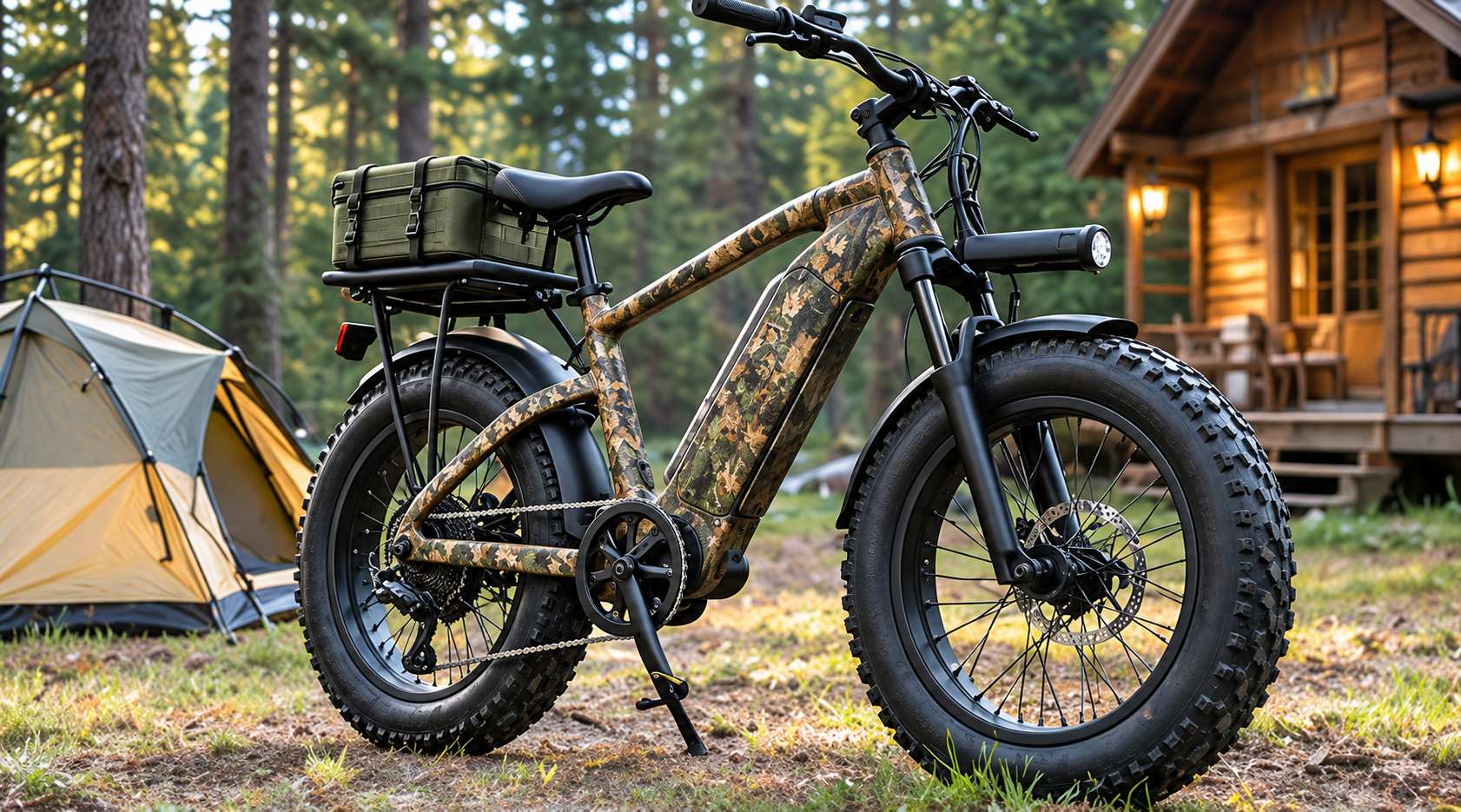
Outdoor retailers can differentiate through quiet transportation, sturdy accessories and adaptable cargo options. But manufacturers should resist exaggerated claims about wildlife impact, access rights or all-terrain capability.
Define lawful and practical use
Trail permissions vary among public land managers and locations. A bike sold as an “off-road e-bike” may not be permitted on every trail. Dealers should direct customers to local land-use and vehicle classification rules and present responsible riding expectations.
Prepare accessories as a system
A sturdy rear rack, mounting hardware, mudguards, lamps and a battery-protected frame can serve camping users. Evaluate bag clearance, loading stability and waterproofing when accessories are attached. Never advertise load capacity without testing the complete configuration.
Prioritize dependable low-speed handling
Tire compound and tread should match dirt, gravel and mixed surfaces. Test controllability on inclines and surfaces with uneven traction, including safe stopping. A very heavy bike can be difficult to push or recover if the route becomes unsuitable.
Package the offer for specialty stores
Create a dealer-ready comparison sheet of battery options, cargo accessories, maintenance items and legal restrictions. A limited, well-documented range of SKUs typically makes stocking and service easier than many custom builds with unverified parts.
Buyer FAQ
Can fat-tire e-bikes travel on all hiking trails? No. Access is controlled by applicable laws and land managers, and often differs by bike classification.
Share this article
Views count once per browser per day. Likes and views are counted from the launch of this feature.
Loading comments…