E-Bike Battery Safety and Certification: An Importer’s Guide
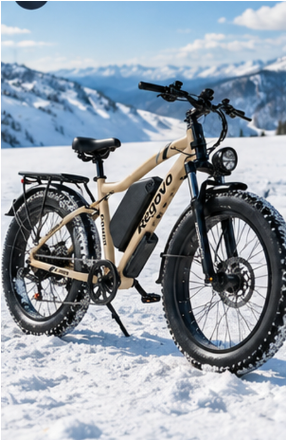
Safety evidence is part of the product
Lithium-ion battery performance depends on cell selection, pack design, battery management, charger matching and manufacturing controls. Buyers should avoid treating a battery label or a standalone test report as proof that the entire e-bike system has been certified.
What Buyers Should Evaluate
For the United States, evaluate applicable UL 2849 electrical-system and UL 2271 battery standards as well as state and city requirements. For European sales, check the relevant vehicle classification, EN 15194 where applicable, CE documentation and battery legislation.
Market and Product Considerations
Obtain traceable test reports, the correct model numbers, a bill of materials, shipping documentation such as UN 38.3 test summaries where applicable, and clear charger instructions. Confirm certificates with their issuing organizations.
Practical Recommendations
Never claim that a pending proposal is already binding law; review the latest rules for each destination market.
Questions to Ask Before You Buy
What configuration and test conditions support the advertised performance?
Which certificates, inspection records and after-sales parts are available for the exact production model?
What changes are needed for the intended destination market and rider category?
Share this article
Views count once per browser per day. Likes and views are counted from the launch of this feature.
Loading comments…