Beach and Gravel Riding: Where Fat Tires Help—and Where They Do Not
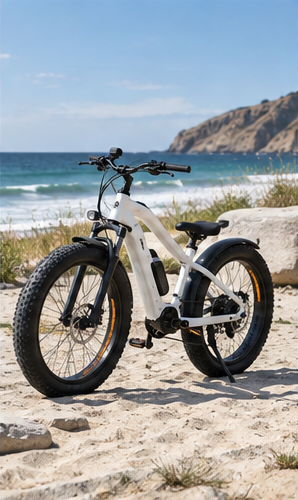
Traction without the hype
Wide tires can distribute weight over loose ground and offer a forgiving ride, but beach sand can be exceptionally demanding. Deep dry sand creates high rolling resistance and may overwhelm a motor long before the battery is depleted. Wet compact sand can be easier in some places, but cycling may be prohibited on beaches or environmentally sensitive dunes.
Protect the bicycle
Salt, fine grit and moisture are hard on bearings, chains, brake surfaces and electrical connections. Avoid deliberately riding through seawater. After coastal trips follow manufacturer cleaning instructions, use gentle water where appropriate and dry and lubricate the drivetrain correctly.
Control matters
Lower speeds, measured steering inputs and careful braking help keep the bike stable. Tire pressure should stay within the tire and rim maker’s guidance. Avoid assuming that a wider tire guarantees grip on wet rock or steep loose gravel.
Respect shared spaces
Yield to people and wildlife, obey local land-use rules and avoid vegetation or erosion-prone areas. Off-road capability should encourage responsible exploration, not access to places where cycling is unsafe or unauthorized.
Final takeaway
The right electric bicycle is the one that safely fits the rider’s actual journeys, has trustworthy specifications and can be supported over time. Compare real use cases, local rules and service quality before focusing on a headline claim.
Share this article
Views count once per browser per day. Likes and views are counted from the launch of this feature.
Loading comments…