Fat Tire E-Bikes for Beach Riding: Sand, Salt and Care
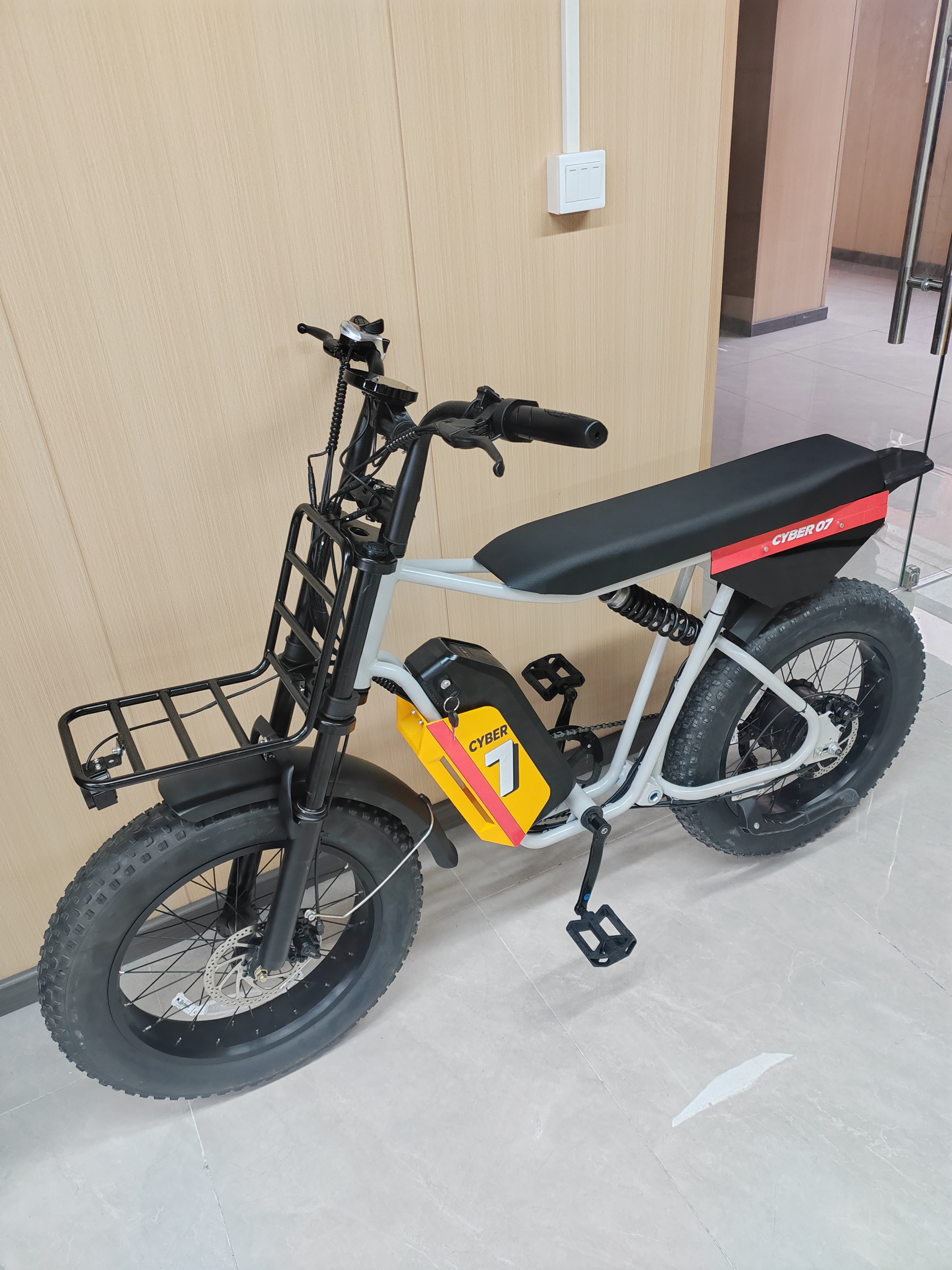
Beach riding is appealing because wide tires can provide flotation on some sandy surfaces. Yet sand and salt introduce distinctive challenges for traction, energy consumption and component durability. Preparation is essential.
Choose the right surface
Firm, dry or compacted sand generally demands less energy than deep, loose sand. Avoid riding through seawater, unstable dunes or restricted areas. Even a wide tire can sink or lose traction when the surface is very soft.
Adjust riding technique
Use smooth assistance and maintain a controlled speed. Sudden throttle inputs or sharp turns may cause a tire to dig in or slide. Adjust tire pressure only within the approved limits and restore the appropriate pressure for pavement afterward.
Protect against corrosion
Salt residue can accelerate corrosion on metal components and electrical contacts. Follow the manufacturer’s cleaning guidance, use a gentle cleaning method, and dry the bike thoroughly. Do not direct high-pressure water toward bearings, seals or electronics.
After the ride
Inspect brake performance, remove sand from the drivetrain and check the chain, spokes and fasteners. Lubricate the drivetrain as instructed. Respect beach access rules, pedestrians and protected wildlife areas. A beach-ready setup requires regular care, not just wide tires.
Share this article
Views count once per browser per day. Likes and views are counted from the launch of this feature.
Loading comments…