Seven-Speed Electric Bike Gears: How They Work and Why Setup Matters
2026-10-30
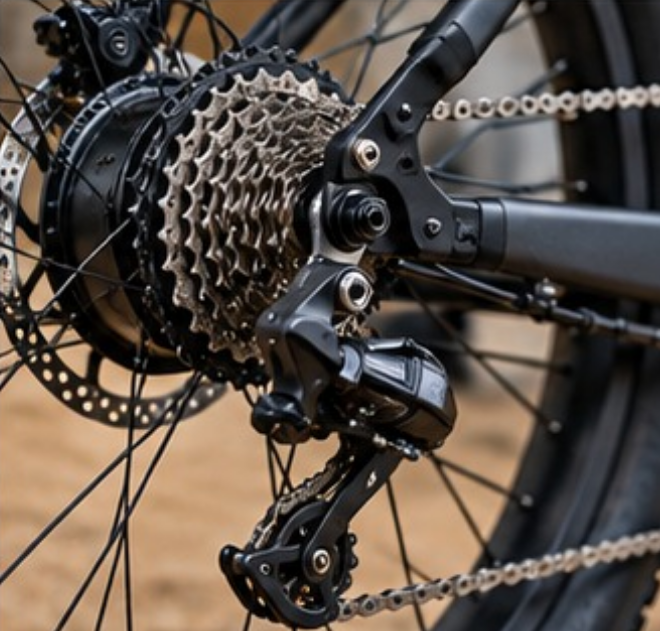
Electric bicycles serve very different types of riders. This guide examines the choices that matter most for seven-speed electric bike gears, with an emphasis on practical ownership, realistic specifications, and responsible use.
← Back to newsGearing still matters with a motor
Pedal-assist bicycles combine human pedaling with motor assistance, but riders still benefit from the right mechanical gearing. Lower gears make it easier to start and climb while maintaining an appropriate cadence; higher gears suit efficient cruising on flatter ground. A seven-speed rear drivetrain can provide an approachable combination of cost, simplicity, and useful ratios for many leisure-oriented e-bikes.
Shift with mechanical sympathy
Reduce pedal force briefly while shifting, especially during a climb. Shifting under very heavy load can accelerate wear on the chain, cassette or freewheel, and derailleur components. A hub-motor bicycle transfers motor force differently from a mid-drive bicycle, so drivetrain wear patterns and service needs are not identical. Follow the drivetrain maker’s adjustment and lubrication instructions.
Common service issues
Noisy shifting, skipped gears, and a chain that hesitates between sprockets may indicate cable tension issues, worn parts, an incorrectly aligned derailleur hanger, or contaminated components. Keeping the chain clean and lubricated can extend component life. If the chain drops repeatedly or the derailleur appears bent, stop riding and seek professional service before further damage occurs.
What buyers should verify
Ask for the exact brand and model of shifter and derailleur, the tooth range of the rear gear cluster, replacement-part availability, and a pre-delivery shifting check. A recognizable component label is useful, but careful assembly, alignment, and post-sale support play equally important roles in dependable ownership.
Key takeaway
Prioritize verified technical information, rider fit, local operating rules, and dependable support. Specifications should be checked for the exact model and destination market before publication or purchase.