Choosing an Electric Bike for Steep Hills
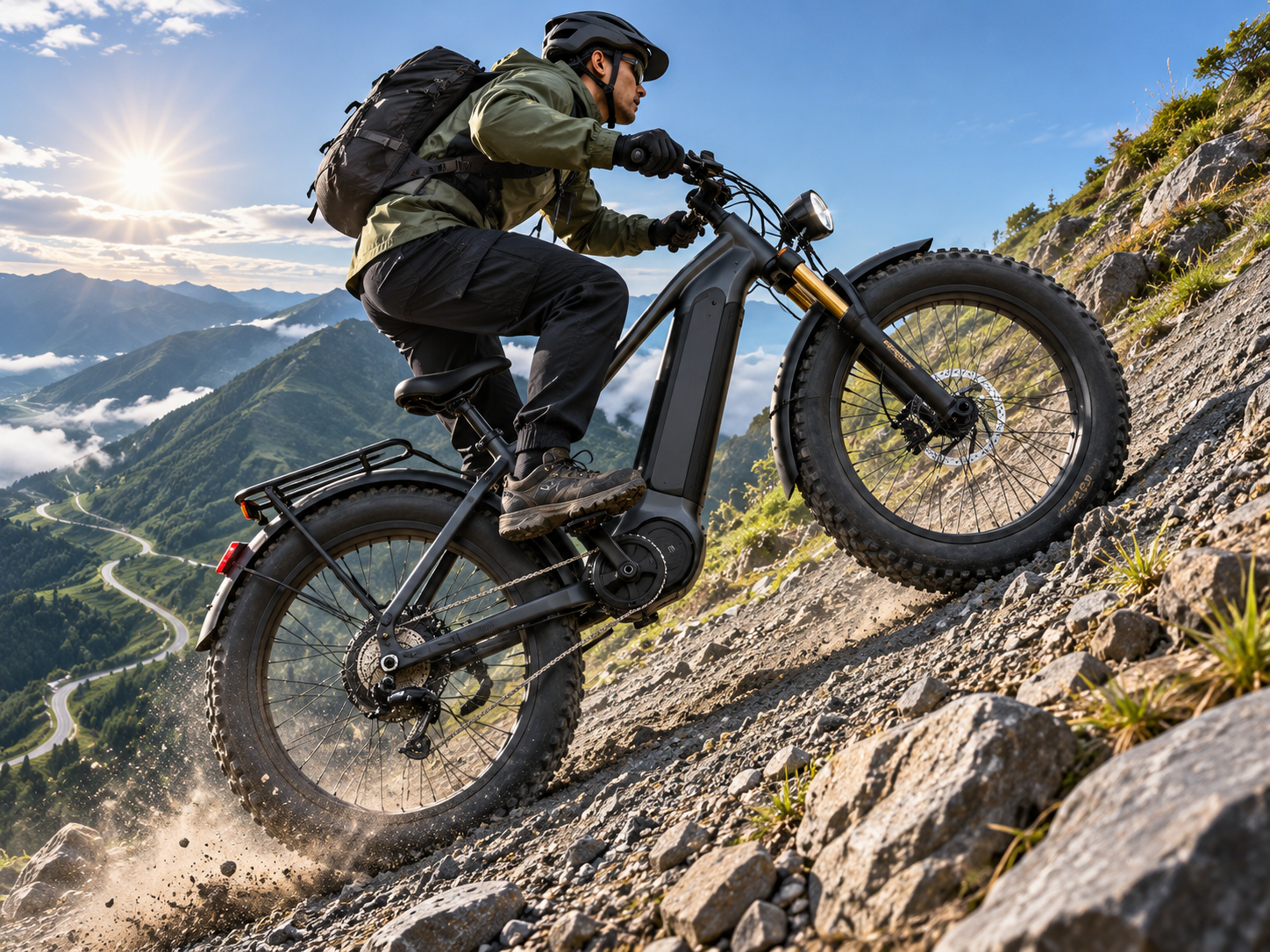
A hill-climbing e-bike must deliver usable torque while maintaining traction and managing heat. Motor power alone does not determine how effectively a bike climbs, particularly when the gradient is sustained or the rider carries a load.
Understand torque and gearing
Wheel torque depends on the motor system and gearing. Mid-drive systems can use bicycle gearing to help the motor operate efficiently, while hub motors deliver drive at the wheel. Each design has advantages depending on the hill and riding style.
Consider sustained climbing
A short burst of peak power differs from a long climb. Ask about continuous ratings, controller protection and recommended operating conditions. Avoid prolonged operation outside the manufacturer’s guidance, especially when the bike is heavily loaded.
Traction and braking downhill
Suitable tires, balanced weight distribution and gradual power application help maintain control. Descending also demands reliable brakes and good technique. Inspect pads and rotors regularly and avoid excessive speed on unfamiliar slopes.
Test before choosing
If possible, try a representative hill with the expected rider and cargo weight on a permitted route. Observe comfort, control and battery consumption. The most suitable climbing bike is one that performs consistently under real conditions rather than merely producing impressive specifications.
Share this article
Views count once per browser per day. Likes and views are counted from the launch of this feature.
Loading comments…