Electric Bike Camping: How to Plan a Weekend Adventure
2026-10-29
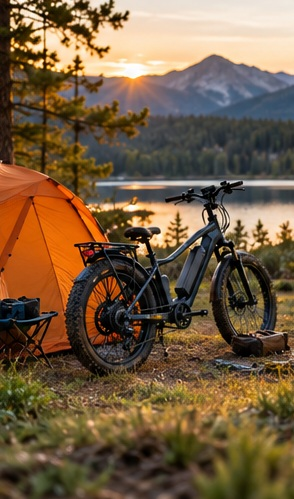
Electric bikes can help riders reach campsites and scenic routes without relying entirely on a car. Successful e-bike camping requires balancing route distance, terrain, load capacity, charging options and realistic battery energy use.
← Back to newsPlan Energy Before Distance
Create a route with elevation profiles and calculate the energy reserve required for the return journey. Extra tent, water and food weight can increase power demand, especially on long climbs. Treat the manufacturer’s maximum range as a best-case reference rather than a planning baseline.
Pack for Stability
Keep dense items low and centered where possible, and do not exceed frame, rack or total system load ratings. Check heel clearance around panniers and ensure bags cannot contact rotating wheels. Re-check tire pressure and braking after loading.
Charging in the Field
Only use chargers and power sources approved for the battery system. Confirm that campsite electrical outlets, adapters and extension cords are suitable for the charger and environment. Do not charge unattended, near combustible materials or with visibly damaged equipment.
Bring Recovery Tools
A pump, spare tube or repair kit, suitable multitool, chain lubricant and basic first-aid supplies are useful. Where weather or cell coverage is uncertain, share the route with another person and keep a non-electric fallback plan.
Key Takeaway
The best camping ride has a charging plan, a conservative return reserve and a stable load.