E-Bike Battery Range Explained: Watt-Hours, Riding Conditions and Honest Estimates
2026-11-05
Understand the battery number first
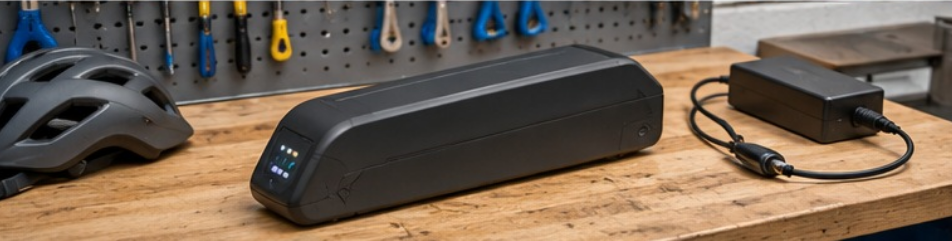
← Back to newsWatt-hours (Wh) are a useful starting point for comparing nominal energy capacity. Multiply nominal voltage by amp-hours: a 48 V, 15 Ah battery is approximately 720 Wh. This calculation does not reveal usable energy, battery health, motor efficiency or final riding distance. Two bicycles with nominally identical packs can produce significantly different outcomes.
What consumes energy
Assistance setting, speed, rider and cargo weight, hills, temperature, tire pressure, wind and stop-start traffic all affect consumption. A heavy fat-tire bicycle traveling fast into a headwind typically needs more energy than a light commuter at moderate assistance on flat pavement. Regenerative braking is generally not a meaningful range assumption for most conventional e-bikes.
Create a planning estimate
A simple scenario method can help: divide nominal battery energy by an assumed average consumption per distance, then apply a safety margin. For illustration only, 720 Wh divided by 18 Wh/km equals 40 km before allowing for reserves and losses. This is not a performance claim for any particular bike. Use real test rides to measure your model’s consumption on relevant routes.
Battery aging and maintenance
Lithium-ion batteries lose capacity with time and use. Prolonged heat exposure and inappropriate storage conditions can accelerate aging. Follow manufacturer instructions for charging, transport, storage state of charge and pack replacement. Use only approved chargers and never bypass a battery management system or open a damaged pack.
How sellers can build trust
Publish the test conditions behind every range claim: rider weight, terrain, wind, temperature, tire pressure, assistance level and average speed. Showing several real-world scenarios is more useful than promising one unexplained maximum range. For B2B buyers, request test logs, battery documentation and after-sales replacement availability.