Long-Range Touring E-Bikes: Battery Planning Beyond the Advertised Number
2026-10-23
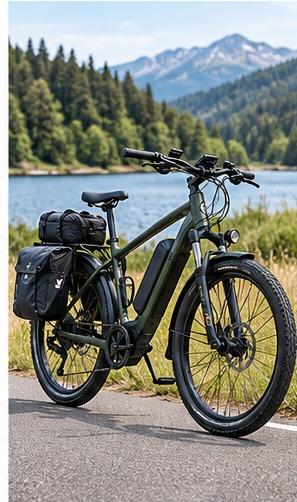
Understanding the category
← Back to newsTouring-oriented electric bicycles have moved beyond being novelty products. Buyers now look at whether an electric bicycle supports a recognisable daily need, offers a comfortable fit and can be maintained locally. In this category, common applications include long weekend rides, bikepacking and multi-stop journeys. The most useful starting point is to define the rider, distance, road surface, storage space and local operating rules before comparing designs. A product that looks impressive online may still be inconvenient if it is too heavy to carry or difficult to service.
Design and riding experience
A thoughtful design often combines efficient riding position, luggage mounts and predictable assistance. Handling should remain predictable during starts, turns and braking. Tire dimensions influence comfort, rolling resistance and cornering feel, while wheelbase and steering geometry affect manoeuvrability. Riders should test the bicycle at low speed, on an incline and over the type of road they actually expect to use. Brake feel, saddle comfort and visibility deserve as much attention as motor assistance.
Motor, battery and realistic range
Motor labels and battery claims need context. A battery labelled 48 V and 15 Ah has a nominal energy figure of about 720 Wh, but actual usable energy and riding distance vary with controller limits, temperature, hills, rider weight, tire pressure and assistance level. As an illustration, consumption of 15–25 Wh per kilometre would imply roughly 29–48 kilometres from 720 Wh before allowing for losses and reserves. This is an example, not a verified specification or promise for any pictured bicycle. Buyers should request measured conditions and battery documentation.
Practical checklist before purchase
For this segment, focus on energy consumption, spare charging plans, total bike weight and serviceability. Also inspect battery enclosure sealing, electrical connectors, spoke tension, headset play, drivetrain wear and tyre age. Check whether the charger suits the destination voltage and plug type, and ask about replacement battery and controller availability. For second-hand units, obtain cycle count or a qualified battery-health test where available, confirm the frame identification and ask for maintenance history.
Safety and local regulations
Legal classification depends on location and is not determined by appearance alone. Speed assistance thresholds, motor power, throttle operation, helmet requirements and use on paths or roads vary by market. High-powered bicycles may fall outside ordinary e-bike categories. For imports and retail listings, verify the requirements of the destination market, battery transport documentation, applicable electrical safety standards and the exact model configuration rather than assuming one approval applies everywhere.
What distributors and riders should prioritize
Distance confidence comes from watt-hour budgeting and route planning, not a maximum-range badge. For retailers, clear product photography, accurate size charts, battery watt-hour disclosure, spare-parts arrangements and a straightforward warranty policy reduce friction. For riders, a hands-on fit check and a realistic test ride are more valuable than an unsupported range claim. The best purchase is one with documented specifications, dependable support and a genuine fit for its intended use.
Conclusion
Touring-oriented electric bicycles offer a compelling option when the design matches the rider’s routine. Compare total ownership experience—comfort, durability, charging, service access and compliance—not just price or advertised power. With realistic expectations and informed selection, an electric bicycle can become a practical part of everyday mobility.