Lithium-Ion E-Bike Battery Safety: What Importers and Brands Must Verify
Market overview and customer demand
The battery is one of the most important safety-critical components in an electric bicycle. For brands and importers, battery quality affects customer safety, insurance, shipping, warranty costs and long-term reputation. A pack should be treated as a complete engineered system rather than a collection of cells inside a case.
Product design and specification priorities
Start with traceability. Request cell manufacturer and model information, pack configuration, battery-management-system details, production batch records and test documentation. Confirm that the supplier can link each shipped battery to the relevant reports and manufacturing records. A generic certificate or a report for a different pack configuration is not sufficient evidence.
What buyers should inspect
Key design topics include overcharge protection, over-discharge protection, overcurrent protection, short-circuit protection, temperature monitoring, cell balancing, enclosure strength, connector design, vibration resistance and water-ingress protection. The battery must be compatible with the motor controller and charger; mismatched components can create avoidable risks.
B2B sourcing and wholesale considerations
Compliance requirements vary by destination and product configuration. In the US, UL 2849 is a relevant electrical-system safety standard for e-bikes, while UL 2271 addresses batteries used in light electric vehicle applications. UN 38.3 relates to transport testing of lithium batteries. These are not interchangeable approvals, and buyers should confirm the exact scope, model numbers, laboratory and applicable market requirements.
Market compliance and after-sales support
Create a supplier approval process that includes document review, sample testing, incoming inspection, serial-number traceability, charger verification, packaging checks and a clear incident-response procedure. Never accept a battery pack solely because a supplier says it is 'certified'. Verify the report with the issuing organisation and ensure the tested configuration matches the delivered product.
Key takeaway
Battery safety depends on traceable components, validated system integration, correct certification scope and disciplined quality control throughout production and shipping.
B2B call to action
Are you sourcing electric bikes for your brand, distribution network or retail business? Contact our team to discuss OEM/ODM options, product specifications, sample evaluation, MOQ, production lead time, compliance documentation and FOB quotations. Share your target market, preferred category and annual volume to receive a tailored proposal.
Suggested image alt text
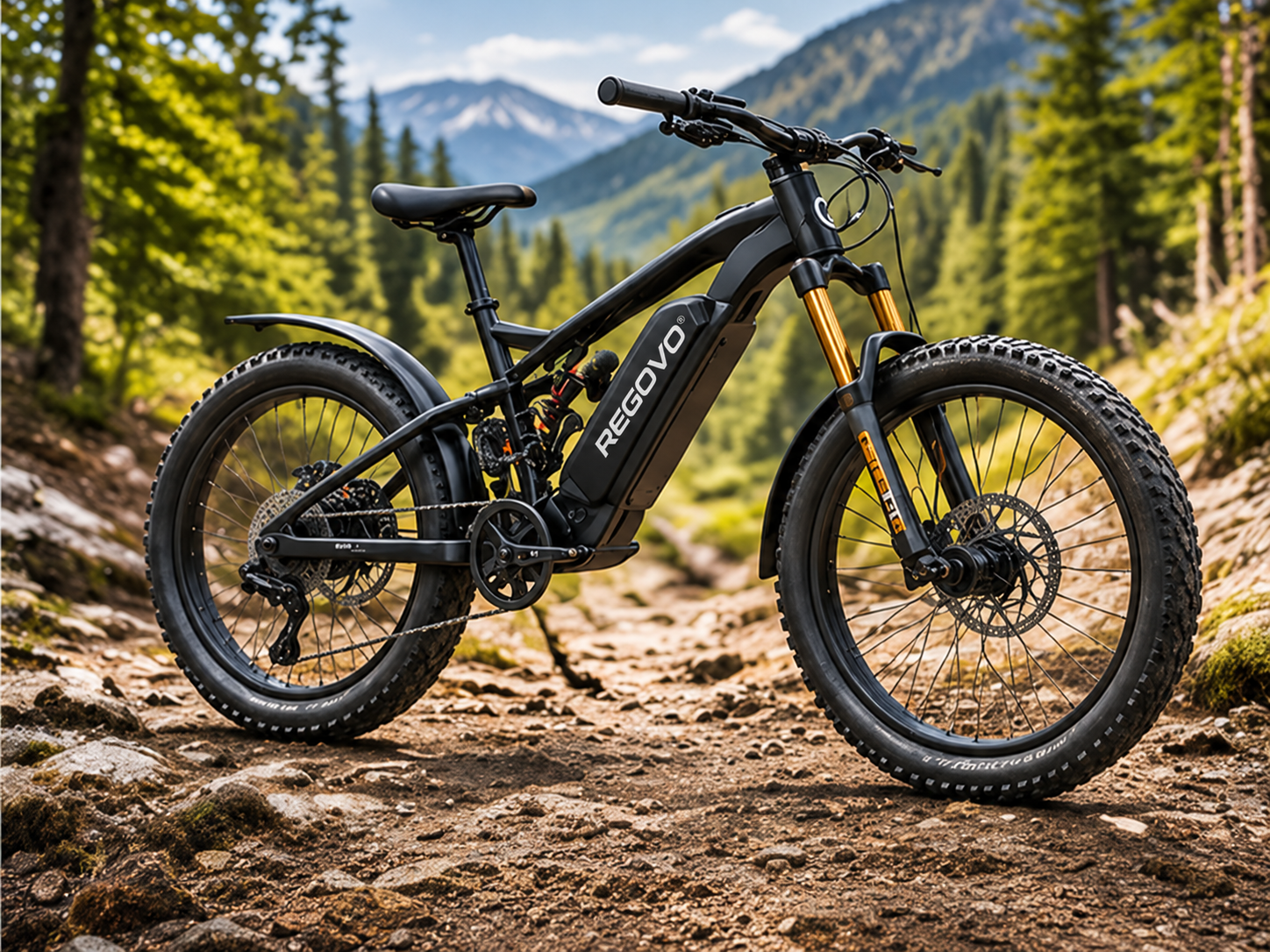
E-Bike Battery Safety Certification product and lifestyle photograph
Share this article
Views count once per browser per day. Likes and views are counted from the launch of this feature.
Loading comments…