Riding an Electric Bike in Rain: Safety and Maintenance
2026-10-29
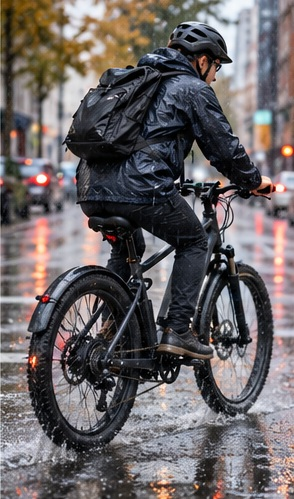
Rain can be part of ordinary cycling, but wet roads change traction, visibility and stopping distances. An e-bike should be operated according to its manufacturer’s water-exposure instructions; water resistance does not mean it is safe to submerge, hose down or leave in standing floodwater.
← Back to newsKnow the Electrical Limits
An IP rating applies to a specific tested enclosure or assembly and should not be interpreted as blanket approval for all-weather or submersion use. Seals deteriorate with age and damage. Inspect charging ports, display housings, connectors and battery latches before wet rides.
Slow Down and Brake Earlier
Painted road markings, metal covers, wet leaves and gravel can be slippery. Reduce speed, increase following distance and brake progressively. Bright lights and reflective details improve visibility, though they cannot remove the risk posed by motorists or poor conditions.
Protect the Battery and Charger
Never charge a wet or contaminated charging port. Move the bicycle or battery to an appropriate dry environment and follow the manufacturer’s guidance before connecting power. Avoid battery charging when equipment is damaged or shows signs of abnormal heating.
After the Ride
Dry accessible surfaces, clean grit from the drivetrain and inspect brake performance. Avoid direct high-pressure water on hubs, suspension pivots, motor interfaces and electrical connections. Seek qualified service if water intrusion, unusual noises or electronic faults appear.
Key Takeaway
Wet-weather riding is about managing traction and protecting electrical components, not chasing a single waterproof label.