How to Evaluate an Electric Bike Factory in China: OEM and Quality Control
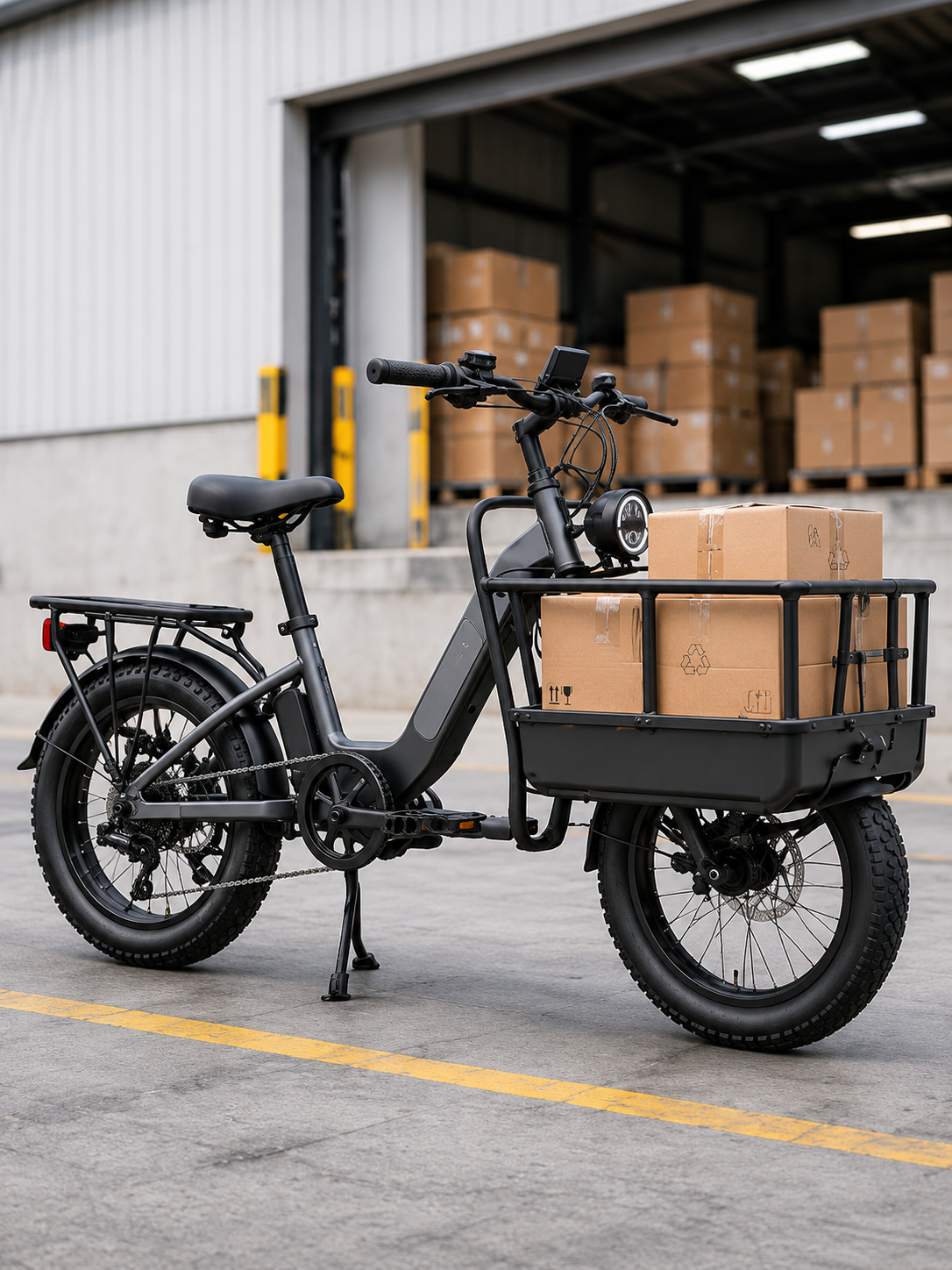
Look beyond the product catalog
A capable OEM partner should turn an agreed specification into repeatable production, maintain traceable quality records and support after-sales repairs. A large catalog alone does not establish engineering capability. Buyers should evaluate management of drawings, revisions, incoming components, production tests and corrective actions.
Sample and pre-production approval
Start with a written specification covering geometry, motors, battery cells and BMS, brakes, display, tires, charger, labeling, packaging and acceptable tolerances. Approve a physical golden sample and maintain a revision-controlled bill of materials. Where options differ by market, assign separate configuration codes so a factory cannot accidentally substitute a noncompliant motor or charger.
What to inspect on the line
A factory review should examine incoming battery and motor controls, weld and paint inspections, torque tools, brake setup, wheel truing, functional electrical checks and final road or roller tests. Check whether the manufacturer retains serial numbers, charger pairing records and nonconformance logs. Identify which high-risk steps are 100% checked rather than sampled.
Compliance and logistics readiness
Request applicable conformity evidence for the precise export destination, potentially including UL 2849 for US e-bike electrical systems and EN 15194 for relevant EU EPAC products, in addition to any other current requirements. Review UN 38.3 documents, battery shipping paperwork, carton markings, spare parts support and realistic container-loading estimates.
Build a controlled first order
Pilot production with clear acceptance criteria, third-party inspection if appropriate and agreed corrective-action timing. Define ownership of tooling, logos and technical documents. A supplier’s true value emerges from repeatable batches and transparent problem resolution, not just a low initial FOB quotation.
Frequently asked questions
What should an importer verify before ordering? Confirm the target market classification, product configuration, electrical safety documentation, production sample, warranty terms and shipping paperwork.
How should buyers compare battery range? Compare rated watt-hours and measured test conditions. Real-world distance varies by rider, terrain, weather, tire pressure and assist setting.
Share this article
Views count once per browser per day. Likes and views are counted from the launch of this feature.
Loading comments…