Electric Bike Battery Safety: Charging, Storage and Lifespan
2026-10-24
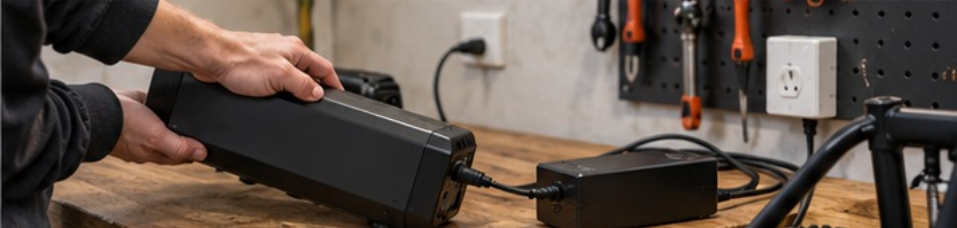
Why batteries need special attention
← Back to newsLithium-ion batteries contain substantial energy in a compact package. A battery, charger and electrical system should be designed to operate together. Damage, incompatible chargers, poor-quality cells and improper modification can increase the risk of overheating or fire.
Know what the rating means
Battery capacity is commonly expressed in watt-hours: voltage multiplied by amp-hours. For example, a nominal 48 V, 15 Ah pack is approximately 720 Wh. This describes stored energy, not a guaranteed riding range or an assurance of safety.
Safer charging habits
Use the charger recommended by the manufacturer, charge in a dry well-ventilated place, follow the supplied instructions and keep exit routes clear. Stop using a battery that is swollen, leaking, unusually hot, damaged or emitting odor. Do not charge a wet, damaged or visibly compromised unit.
Care during storage
Follow manufacturer temperature and state-of-charge instructions for extended storage. Keep the pack away from direct heat and avoid impacts. Periodically inspect the casing, connector and mount for corrosion or damage; have suspicious components assessed by a qualified technician.
What buyers and importers should verify
Request model-specific evidence of applicable electrical safety standards, battery transport testing such as UN 38.3, and the exact approved charger specification. Certification claims should be checked with relevant issuing organizations and destination-market requirements, not inferred from a logo on a listing.