Electric Bikes for Camping and Outdoor Adventures: A Practical Equipment Guide
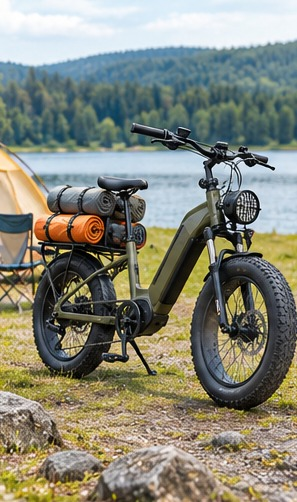
An e-bike can make a campsite, trailhead or outdoor base more accessible, especially when a rider wants to move equipment over moderate distances. Yet adventure use exposes products to dust, rain, variable surfaces and long periods away from charging. The right configuration should prioritize reliability and field repair over extreme catalog specifications.
Choose terrain and payload realistically
Different camping environments demand different tires, geometry and cargo solutions. For gravel paths, a balanced trekking setup may be more efficient than very wide tires. For loose surfaces, tire choice and pressure become especially important. Always stay within published load limits and local access rules.
Protect the essentials
Check fender clearances, rack attachment, lighting, kickstand stability, weather protection of connectors and battery lock. A basic emergency kit may include a compatible tube, pump, multi-tool and appropriate repair supplies; confirm wheel and axle details in advance.
Create a power plan
Estimate trip distance and elevation using conservative energy consumption. A second compatible battery may help, but it also increases mass and transport considerations. Charging from an unverified inverter or generator should never be recommended without checking charger compatibility and safety guidance.
Avoid unsupported water-resistance promises
A bike that tolerates light rain is not necessarily safe for submersion or pressure washing. Require test evidence for any IP rating claimed for individual components, and specify cleaning methods in the owner manual.
Share this article
Views count once per browser per day. Likes and views are counted from the launch of this feature.
Loading comments…