Compact Electric Bikes for Small Homes: The Rise of Practical Urban Design
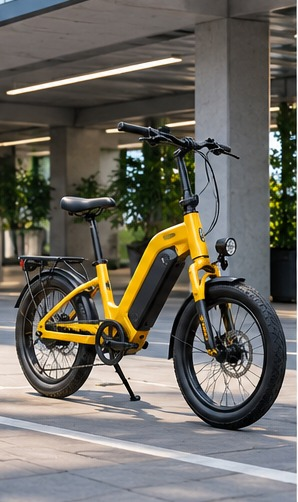
Not every city rider wants a large frame or high-output motor. Compact e-bikes can fit apartments, narrow corridors and crowded parking areas while meeting straightforward transportation needs. The challenge for suppliers is to preserve stability, ergonomics and serviceability within a smaller package.
Start with the rider, not the wheel size
Compact wheels and low frames can improve packaging, but handlebar reach, knee clearance, saddle adjustment and stem strength still matter. Specify the recommended rider-height range based on real fit checks rather than a broad marketing estimate.
Design for short daily trips
For city travel, riders prioritize predictable assistance, lights, fenders, secure parking and charging convenience. A compact model that lacks a reliable stand or has awkward battery access will quickly become frustrating. Evaluate display readability and brake modulation in stop-and-go traffic.
Prevent accessory overload
A small frame can look attractive with large baskets and racks, but each attachment changes loading and steering. Publish individual rated capacities and the overall permissible mass. Confirm that mounted bags do not interfere with cables or wheel movement.
Think about repair from day one
Compact integrated systems may rely on proprietary components. Ask the OEM for a replacement-parts commitment, connector specifications and repair documentation. Distributors should avoid launching a product that can only be repaired by swapping expensive assemblies.
Share this article
Views count once per browser per day. Likes and views are counted from the launch of this feature.
Loading comments…