E-Bike Battery Safety: What Buyers and Dealers Must Know
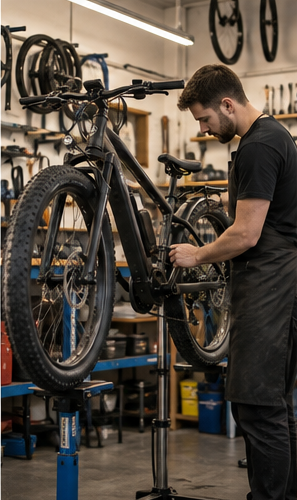
Safety is a system
The electrical safety of an e-bike depends on how the battery pack, battery management system, charger, connectors, motor and controls work together. A large battery specification means little if these parts are poorly matched. CPSC staff discussed proposed changes to UL 2849 in 2025, illustrating the continuing attention given to micromobility electrical safety.
Questions to ask before buying
Request the exact battery and charger identities, relevant safety documentation, a clear warranty and a plan for service. Do not assume a CE mark, a battery shipping test or an unverified certification claim covers every electrical hazard. Ask whether the complete configuration has been evaluated for the intended market.
Charging best practices
Use only the specified compatible charger. Avoid charging near escape routes or combustible materials, and never charge a battery that is visibly damaged, swollen, unusually hot or wet when the manufacturer prohibits charging in that condition. Follow the bike maker’s instructions on storage temperature and unattended charging.
Dealer responsibility
Provide simple owner instructions, replacement-part traceability and a safe process for damaged packs. Verify applicable local regulations before marketing a product as compliant. Reliable after-sales support is a competitive advantage as well as a safety measure.
Final takeaway
The right electric bicycle is the one that safely fits the rider’s actual journeys, has trustworthy specifications and can be supported over time. Compare real use cases, local rules and service quality before focusing on a headline claim.
Share this article
Views count once per browser per day. Likes and views are counted from the launch of this feature.
Loading comments…