Electric Bikes for Hills: Torque, Gearing and Climbing Efficiency
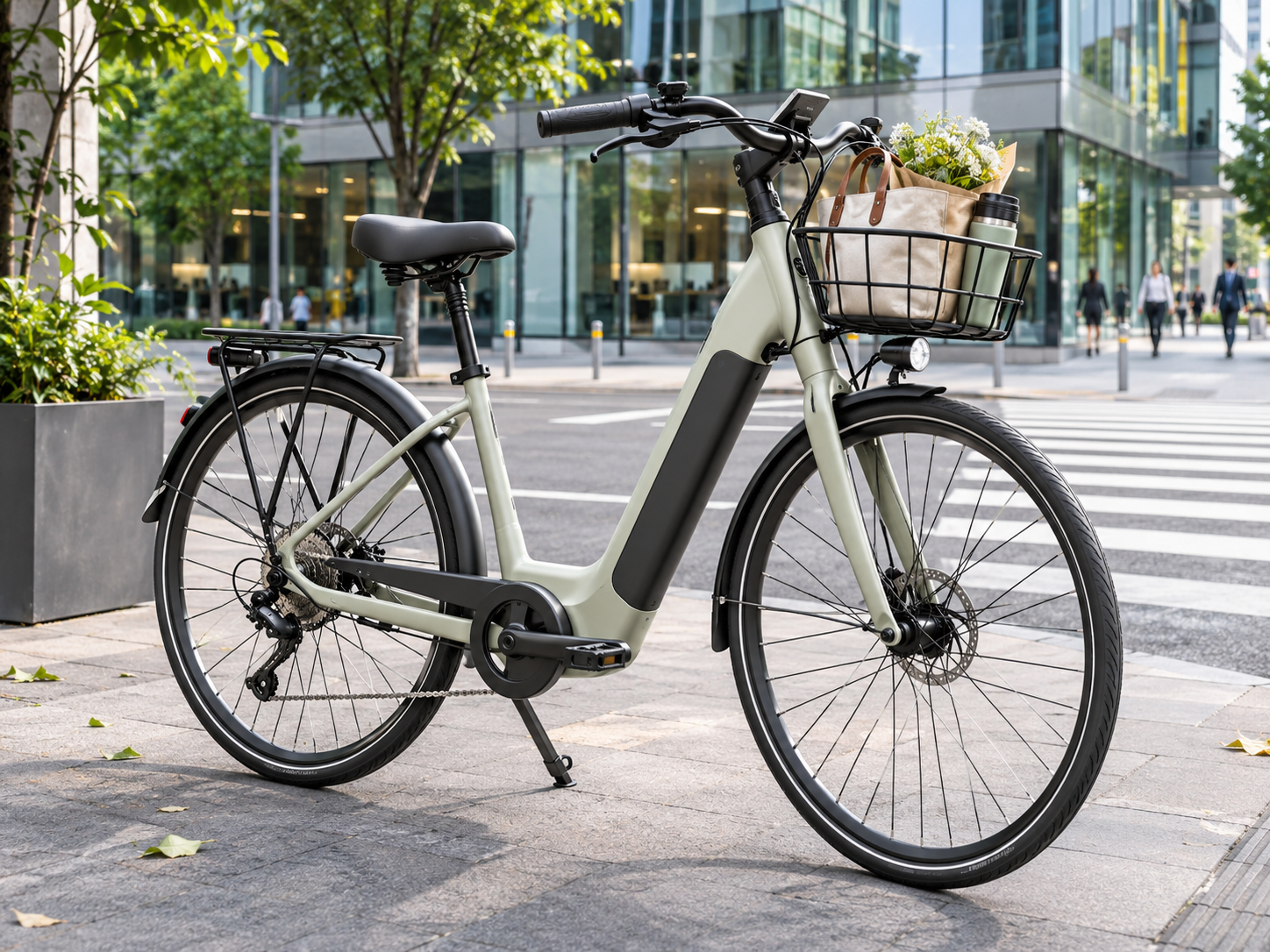
Overview
Hill climbing is one of the most compelling reasons to consider electric assistance. Yet a high advertised wattage is only part of the story. Gradient, total load, motor torque, wheel size, gearing and cooling all affect how confidently a bike can climb. A good hill bike should also descend safely.
What matters in practice
A mid-drive motor can use the bicycle’s gears to operate in a more favorable speed range, while a hub motor drives the wheel directly. Either design can work well when matched to the terrain. Shift to a suitable gear before a steep climb, pedal steadily and avoid abrupt shifts under heavy drivetrain load.
Key checks and considerations
Long climbs create heat in motors and controllers. If assistance falls unexpectedly, stop in a safe place and follow the manufacturer’s guidance instead of repeatedly forcing the system to restart. A battery that performs well on flat roads may experience greater voltage sag under sustained demand. Assess climbing performance with realistic rider and cargo weight.
Buying or riding advice
Braking is equally important. Check brake pad condition, rotor compatibility and lever feel before a steep descent. Control speed early and use both brakes appropriately rather than relying on a single brake for the entire descent. Compare bikes on a representative hill and prioritize predictable control, thermal performance and serviceability over peak-power claims.
Share this article
Views count once per browser per day. Likes and views are counted from the launch of this feature.
Loading comments…